Plumber Colorado
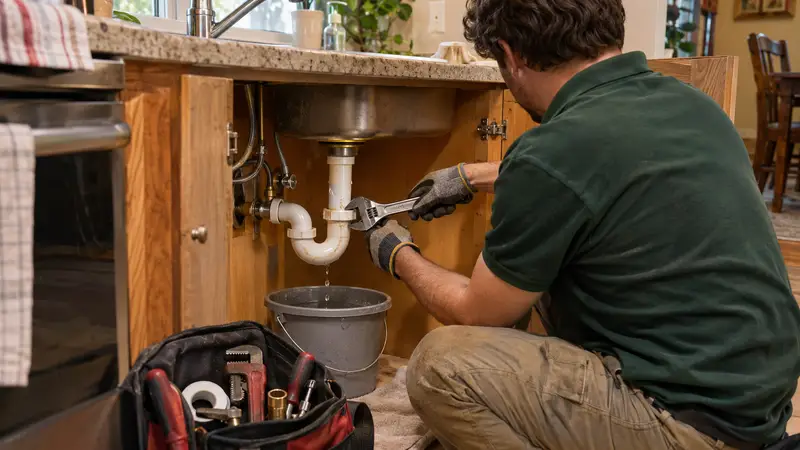
Plumbing repair for homes across Colorado, from burst pipes and slab leaks to clogged sewer lines.
Call Now (844) 626-0032Say what is leaking, backing up or not working.Is your address covered?
Enter a ZIP code or city to see if we serve your area.
Plumbing in Colorado
Colorado has high plains in the east, a busy Front Range along the foothills, and tall mountains and valleys to the west. The air is dry, the sun is strong, and winter cold can arrive in a single night. Water is often hard, so scale builds up in heaters, faucets and pipes. We fix burst pipes, trace hidden leaks and clear sewer lines across the state.
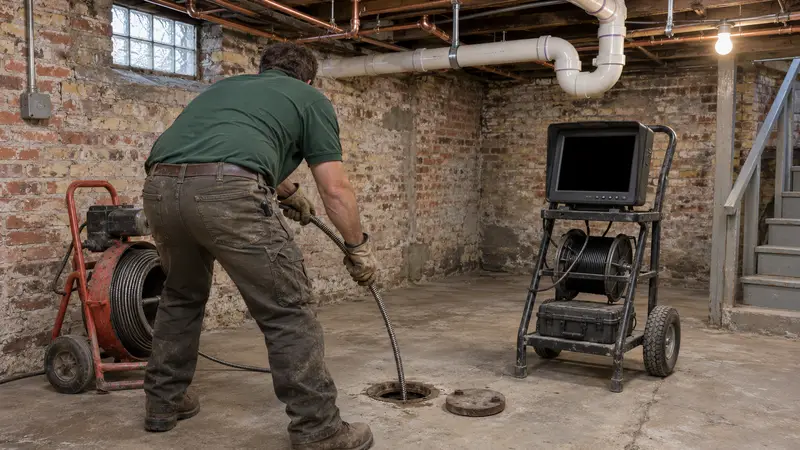
Many homes on the Front Range and plains have basements, with water heaters, softeners and sump pumps down there. The soil in many places is heavy clay that swells when wet and shrinks when dry. That movement pulls on sewer lines and supply lines buried outside. Mountain homes sit on crawl spaces and stem walls, where pipes are exposed to deep cold. Hail and wide swings in daily temperature also test every outside line.
Colorado metro areas we cover
Denver Area
Expansive clay soil and winter freezes strain Denver Area pipes and sewer lines.
We serve 102 areas ›Colorado Springs Area
Hard water and freezing winters wear out pipes and water heaters here.
We serve 33 areas ›Northern Colorado
Deep frost and shifting clay soil strain pipes and sewer lines along the Front Range.
We serve 21 areas ›Pueblo, CO
We serve 7 areas
Pueblo plumbing repair ›Canon City, CO
We serve 1 area
Canon City plumbing repair ›Where plumbing fails in Colorado homes
Basements bring many calls. Water heaters, softener lines and washing machine hoses leak into finished space, and sump pumps fail on the wettest days. Hard water speeds up the wear on every valve and tank. Owners often find a leak only when carpet gets damp or a wall stains.
Sewer lines suffer from moving clay soil. Pipe sags or breaks at the joints, and roots from older trees find the gaps. Bellied pipe holds water and waste, which leads to slow drains and repeat clogs. Outside hose bibs and sprinkler lines are also common failures after the first cold nights.
Winter freezes, spring melt and the calls that follow
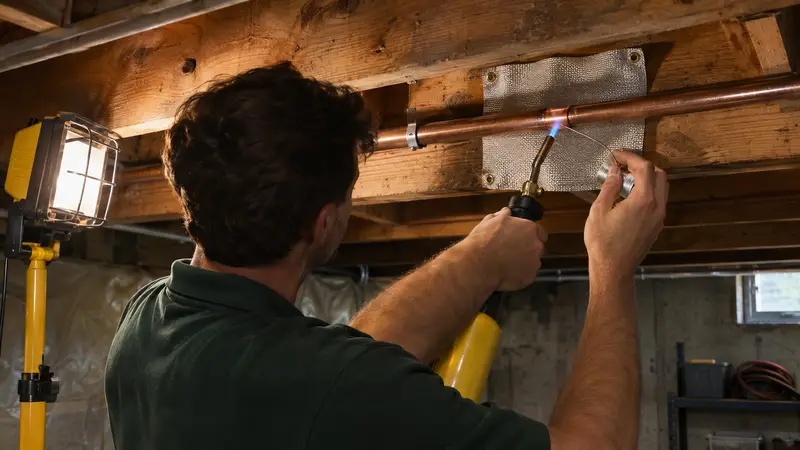
Cold snaps in Colorado can drop fast after a warm day. Pipes in garages, outside walls, crawl spaces and vacant homes freeze and split. The damage often shows only after the thaw, when water pours from a hidden break. Cabins and second homes in the mountains are especially at risk.
Spring brings melting snow and sudden storms. Ground water rises, sump pumps run hard, and low basement drains back up. Heavy hail can also crack vents and outdoor lines. When a sump pump fails, a basement can flood within hours.
How the age and style of Colorado homes change the problem
The Front Range grew fast in the 1970s, again in the 1990s and again in recent years. Older neighborhoods have clay sewer pipe and old copper with failing joints. Some homes from the middle of the last century still have galvanized pipes that clog and rust from the inside.
Newer subdivisions on the plains use plastic pipe and tight, efficient houses. Their lines are in better shape, but fast building on clay soil means settling can bend pipe near the foundation. Mountain homes face the added trouble of long, hard winters and limited access in deep snow.
Common problems we get calls about
Rusty water and weak pressure from old pipe
Brown water after a repair, or pressure that dropped at every tap, points to aging galvanized lines.
Frozen or split pipes
Pipes in exterior walls, garages and crawl spaces freeze first, and the leak starts at the thaw.
Scale on faucets and a noisy water heater
White crust on fixtures and a popping tank are signs of mineral buildup.
No hot water
A leaking tank, a pilot that will not stay lit or a failed element.
Dripping faucets and fixtures
Worn cartridges and washers waste water around the clock.
Basement floor drain backups
Heavy rain or a clogged main sends water up through the lowest drain in the house.
Get help in three simple steps
- Call and describe the problem
Tell us what is leaking, backing up or not working, and whether water is still running.
- We answer your call
Tell us your address and we confirm that we serve it. We set a time to come to the house.
- Repair and cleanup
We find the cause and fix it. We test the line or fixture before we leave.
Colorado coverage map
We serve 168 Colorado cities.
Colorado questions
Why do pipes freeze so often in Colorado?
Cold arrives quickly, and many pipes run through garages, crawl spaces and outside walls. A sharp drop overnight can split a line before the owner notices.
What causes sewer line problems in Colorado?
Heavy clay soil swells and shrinks, which bends and breaks buried pipe. Roots and old clay lines add to the trouble, especially in the older neighborhoods along the Front Range.
How can I find a hidden leak?
Turn every tap off and watch the water meter. If it still moves, water is escaping somewhere. Warm spots on a slab floor or damp drywall point to where.
How do I shut off the water in an emergency?
Turn the main shutoff valve clockwise until it stops. It is usually where the water line enters the house, near the meter, in a basement or in a utility closet.
How do I find a plumber near me in Colorado?
Call (844) 626-0032 and tell us your address. We confirm that we serve it and get started.
Plumber in Colorado: Call Now
Describe the problem. We take it from there in Colorado.
Call Now (844) 626-0032Top metro areas
Colorado cities
- Arvada, CO
- Aurora, CO
- Berthoud, CO
- Boulder, CO
- Brighton, CO
- Broomfield, CO
- Canon City, CO
- Castle Rock, CO
- Colorado Springs, CO
- Commerce City, CO
- Denver, CO
- Englewood, CO
- Erie, CO
- Evans, CO
- Firestone, CO
- Fort Collins, CO
- Fort Morgan, CO
- Fountain, CO
- Frederick, CO
- Golden, CO
- Greeley, CO
- Johnstown, CO
- Lafayette, CO
- Littleton, CO
- Lone Tree, CO
- Longmont, CO
- Louisville, CO
- Loveland, CO
- Monument, CO
- Parker, CO
- Pueblo, CO
- Severance, CO
- Thornton, CO
- Wellington, CO
- Westminster, CO
- Wheat Ridge, CO
- Windsor, CO