Plumber South Carolina
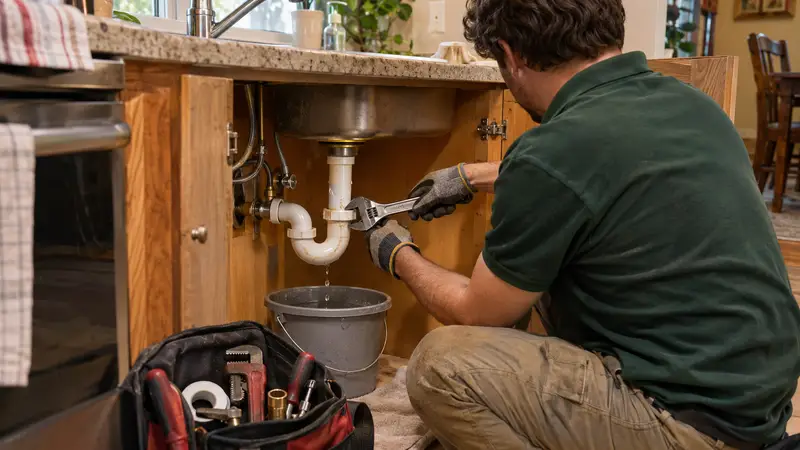
Plumbing repair for homes across South Carolina, from burst pipes and slab leaks to clogged sewer lines.
Call Now (844) 626-0032Say what is leaking, backing up or not working.Is your address covered?
Enter a ZIP code or city to see if we serve your area.
Plumbing in South Carolina
South Carolina runs from the Atlantic beaches through the flat Lowcountry and the sandy Midlands up to the red clay hills of the Upstate. The coast is warm, wet and salty, with a high water table and storm surge. The Upstate is hillier, with cooler winters and the occasional hard freeze. Summers are long and humid everywhere. We fix burst pipes, trace hidden leaks and clear sewer lines across the state.
Homes on the coast and in the Midlands are often built on slabs or raised on piers, with pipes running through damp crawl spaces. Tall pines and live oaks send roots into drain lines. Salt air eats at fittings near the water, and heavy rain keeps the ground soaked. Humidity also makes every small leak worse, because damp air keeps wet wood from drying.
South Carolina metro areas we cover
Charleston Area
Low ground, salt air and heavy rain test Charleston Area sewer lines and slabs.
We serve 22 areas ›Greenville
Red clay soil and sudden winter freezes test Greenville pipes and sewer lines.
We serve 30 areas ›Myrtle Beach Area
Salt air, sandy soil and storms are hard on pipes and water heaters.
We serve 10 areas ›Bluffton, SC
We serve 1 area
Bluffton plumbing repair ›Greenwood, SC
We serve 2 areas
Greenwood plumbing repair ›Newberry, SC
We serve 1 area
Newberry plumbing repair ›Where plumbing fails in South Carolina homes
Crawl spaces and slabs both bring trouble. Under a raised home, humid air sweats on cold supply lines and rots wood near a leak. In a slab home, the pipes sit under the floor and a pinhole leak can run for months. A warm patch on the floor or a high water bill is the usual clue.
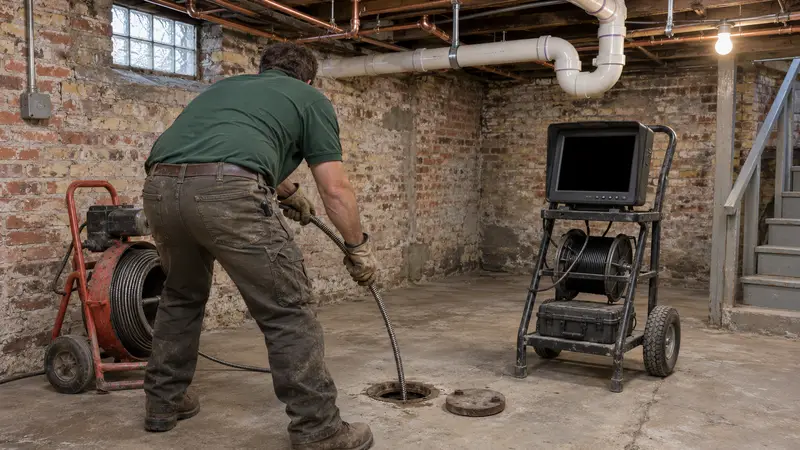
Sewer lines suffer from trees and sandy soil. Roots push into joints in older pipe, and sandy ground can shift and leave sags where waste collects. Slow drains, gurgling toilets and wet spots in the yard point to a line that needs clearing or repair.
Hurricanes, storms and the calls that follow
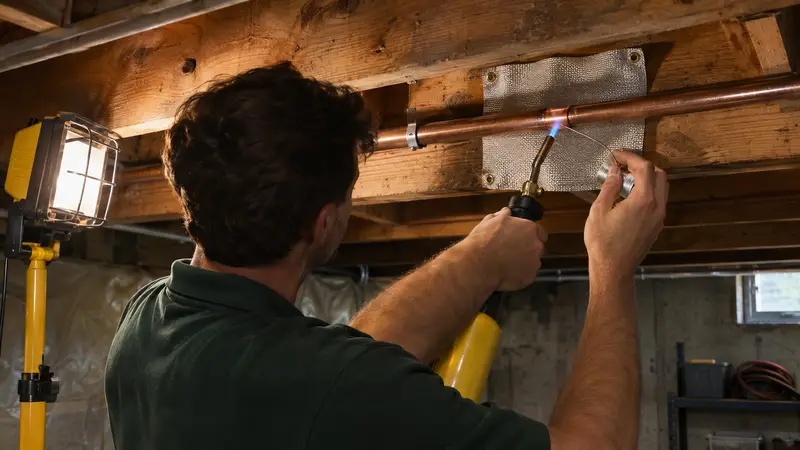
Hurricane season brings wind, flooding and power loss. Storm surge and heavy rain push water into low drains, and flooded yards overload septic tanks and city sewers. After a storm, we see backed-up lines, broken outdoor spigots and water heaters knocked over or flooded.
Freezes are rare, which is why they hurt. Most homes have little pipe insulation, and a cold night in the Upstate or even the coast can split lines in attics, crawl spaces and outside walls. The leak often shows up only after the weather warms.
How the age and style of South Carolina homes change the problem
Charleston and the old river towns have homes that are well over a century old. Their cast iron, galvanized and clay lines are worn out, and the ground beneath them is soft. Raised foundations and brick piers keep the pipes exposed to damp air and pests.
The fast-growing beach towns and Upstate suburbs are newer, with plastic pipe and tight builds. Many sit on fill or low land, so drainage matters. Vacation homes and condos that sit empty for weeks can have a small leak run unnoticed, which turns a drip into serious damage.
Common problems we get calls about
Clogged or slow drains
A sink, tub or toilet that drains slowly, gurgles or backs up.
Running or leaking toilets
A bad flapper, fill valve or wax ring wastes water or leaks onto the floor.
Burst or leaking pipes
Water on the floor or a wet ceiling. Shutting off the main valve limits damage until we arrive.
Roots in the sewer line
Gurgling, slow drains in several fixtures and repeat main line clogs often mean roots in the lateral.
Slab leaks
Warm spots on the floor, a running meter with every tap off or damp carpet point to a leak under the slab.
Sewage backing up
Wastewater at a floor drain or tub points to a main line clog.
Get help in three simple steps
- Call and describe the problem
Tell us what is leaking, backing up or not working, and whether water is still running.
- We answer your call
Tell us your address and we confirm that we serve it. We set a time to come to the house.
- Repair and cleanup
We find the cause and fix it. We test the line or fixture before we leave.
South Carolina coverage map
We serve 298 South Carolina cities.
South Carolina questions
Which parts of South Carolina have the most plumbing damage after storms?
The coast and the Lowcountry take the most damage, because of flooding, storm surge and a high water table. Low drains back up and water heaters on the ground floor are often damaged.
Why do tree roots get into South Carolina sewer lines?
The warm, wet climate keeps pines and oaks growing fast, and roots go toward the moisture inside older pipe joints. Sandy soil makes it easier for them to spread, so clogs return until the line is repaired.
Why is my water pressure low?
Mineral buildup in aerators, a failing pressure regulator or a hidden leak are the usual causes. Low pressure at every fixture points to the main line or regulator.
What counts as a plumbing emergency?
A burst pipe, water that will not shut off, sewage backing up, no water at all or a gas smell from a water heater. Shut off the main water valve for leaks and call us right away.
How do I find a plumber near me in South Carolina?
Call (844) 626-0032 and tell us your address. We confirm that we serve it and get started.
Plumber in South Carolina: Call Now
Describe the problem. We take it from there in South Carolina.
Call Now (844) 626-0032Top metro areas
South Carolina cities
- Anderson, SC
- Bluffton, SC
- Boiling Springs, SC
- Charleston, SC
- Clemson, SC
- Conway, SC
- Easley, SC
- Fountain Inn, SC
- Goose Creek, SC
- Greenville, SC
- Greenwood, SC
- Greer, SC
- Hanahan, SC
- Ladson, SC
- Little River, SC
- Mauldin, SC
- Moncks Corner, SC
- Mount Pleasant, SC
- Murrells Inlet, SC
- Myrtle Beach, SC
- Newberry, SC
- North Charleston, SC
- North Myrtle Beach, SC
- Simpsonville, SC
- Spartanburg, SC
- Summerville, SC
- Taylors, SC