Plumber Connecticut
Plumbing repair for homes across Connecticut, from burst pipes and slab leaks to clogged sewer lines.
Call Now (844) 626-0032Say what is leaking, backing up or not working.Is your address covered?
Enter a ZIP code or city to see if we serve your area.
Plumbing in Connecticut
Connecticut is a small state with a long Sound shore, river valleys, rocky hills and thick woods. Winters are cold with snow and ice, summers are humid, and storms roll in from the coast. Much of the housing is old, and the plumbing in it is older than most owners realize. We fix burst pipes, trace hidden leaks and clear sewer lines across the state.
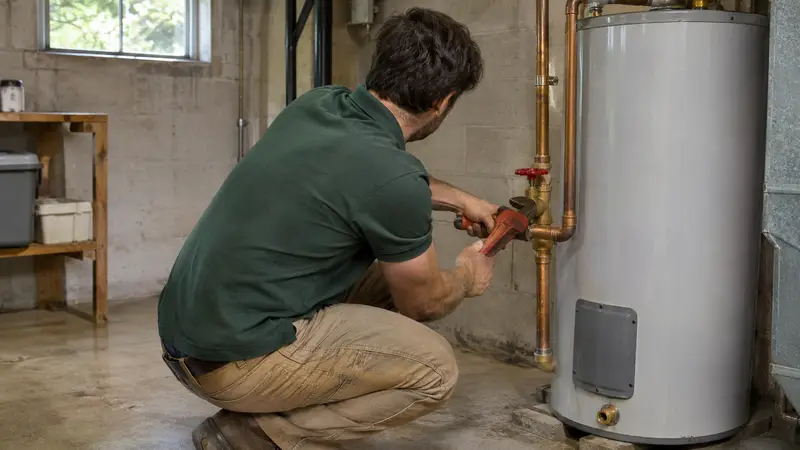
Most homes have basements with stone or poured walls, and many have oil boilers and old water heaters down there. Rocky soil and ledge make buried lines hard to lay and easy to damage. Tall maples and oaks line nearly every street, and their roots push into old clay and cast iron drains. Many hill towns use wells and septic systems, and mineral-heavy well water can wear on fixtures. Frozen pipes are a yearly worry in every region.
Connecticut metro areas we cover
Hartford Area
Cold winters and aging sewer lines are the main plumbing worries around Hartford.
We serve 14 areas ›Naugatuck Valley
Old homes and hard winters crack pipes and strain aging sewer lines.
We serve 8 areas ›Eastern Connecticut
Hard winter freezes and old homes make frozen pipes the main plumbing risk here.
We serve 5 areas ›Torrington, CT
We serve 1 area
Torrington plumbing repair ›Wallingford, CT
We serve 1 area
Wallingford plumbing repair ›Where plumbing fails in Connecticut homes
Old supply pipes lead the list. Galvanized steel rusts shut from the inside and then leaks at the threads. Early copper develops pinholes. Cast iron drains crack or rot at the joints, and leaks hide inside plaster walls until the paint bubbles.
Basement problems are just as common. Water heaters wear out, sump pumps fail during storms, and floor drains back up when the main sewer line clogs. Roots in older clay laterals cause repeat backups on streets lined with big trees. Slow drains in the lowest bath are an early sign.
Winter freezes, nor'easters and the calls that follow
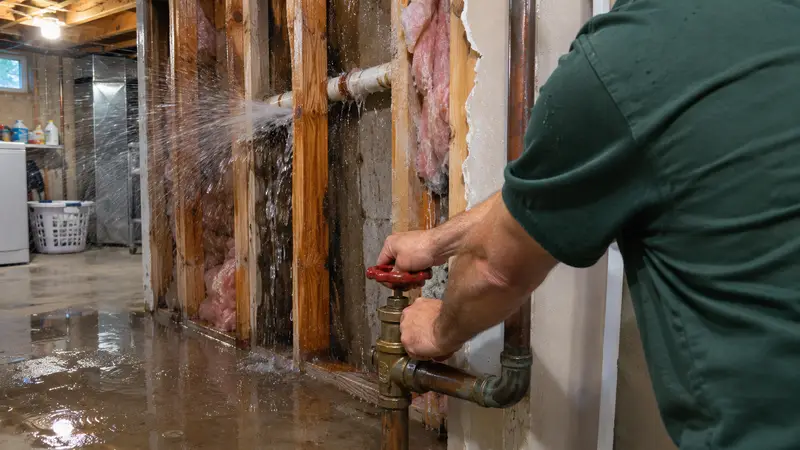
Deep winter cold splits pipes in exterior walls, unheated porches, garages and crawl spaces. Old houses with thin insulation are the most at risk. A pipe may freeze for days and burst only when the weather warms, so the flood arrives at an odd moment.
Nor'easters and heavy summer storms bring a different set of calls. Coastal and river towns see flooded basements and sewer backups when the ground is soaked. Power outages knock out sump pumps at the worst time. After a big storm, drains in low streets often run slow for days.
How the age and style of Connecticut homes change the problem
Connecticut has some of the oldest housing in the country. Colonial farmhouses, mill-town triple-deckers and brick row houses are still in daily use. Many have been updated in pieces, so new copper or plastic is spliced onto very old pipe. Those joints are common failure points.
Mid-century ranches and capes fill the suburbs, and their original pipes are now well past the middle of their working life. Cast iron stacks and clay sewer lines from that era are wearing out. Rural homes with wells and septic tanks add pumps, pressure tanks and field lines to the list of parts that can fail.
Common problems we get calls about
Roots in the sewer line
Gurgling, slow drains in several fixtures and repeat main line clogs often mean roots in the lateral.
Sewage backing up
Wastewater at a floor drain or tub points to a main line clog.
Frozen or split pipes
Pipes in exterior walls, garages and crawl spaces freeze first, and the leak starts at the thaw.
Basement floor drain backups
Heavy rain or a clogged main sends water up through the lowest drain in the house.
Rusty water and weak pressure from old pipe
Brown water after a repair, or pressure that dropped at every tap, points to aging galvanized lines.
Burst or leaking pipes
Water on the floor or a wet ceiling. Shutting off the main valve limits damage until we arrive.
Get help in three simple steps
- Call and describe the problem
Tell us what is leaking, backing up or not working, and whether water is still running.
- We answer your call
Tell us your address and we confirm that we serve it. We set a time to come to the house.
- Repair and cleanup
We find the cause and fix it. We test the line or fixture before we leave.
Connecticut coverage map
We serve 138 Connecticut cities.
Connecticut questions
Which parts of Connecticut have the most burst pipes?
Hill towns and older houses with thin walls and unheated spaces get the most. Cold air gets to pipes in porches, garages and crawl spaces, and old insulation does little to stop it.
Why do old Connecticut homes have so many drain problems?
Cast iron and clay pipe from the last century is wearing out, and tree roots find every crack. Rocky ground can also shift the pipe out of line.
What counts as a plumbing emergency?
A burst pipe, water that will not shut off, sewage backing up, no water at all or a gas smell from a water heater. Shut off the main water valve for leaks and call us right away.
Why do my drains keep clogging?
Grease, hair, wipes and tree roots are the common causes. If several drains back up at once, the clog is usually in the main sewer line.
How do I find a plumber near me in Connecticut?
Call (844) 626-0032 and tell us your address. We confirm that we serve it and get started.
Plumber in Connecticut: Call Now
Describe the problem. We take it from there in Connecticut.
Call Now (844) 626-0032