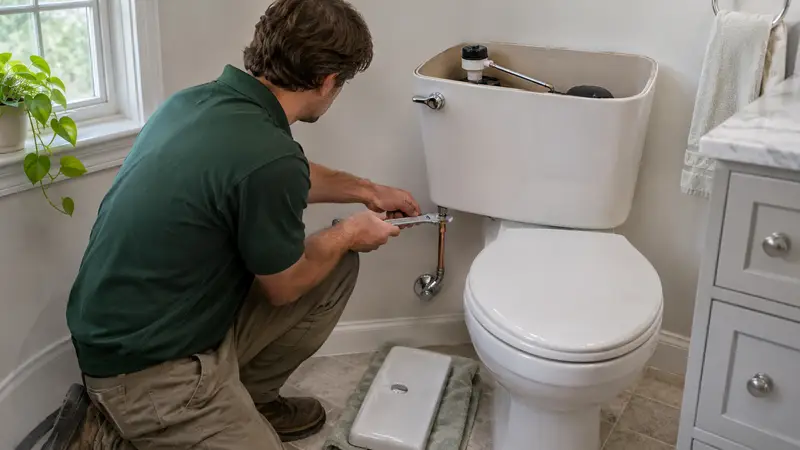
Plumber Denver, CO
Plumbing repair for Denver homes: burst pipes, old galvanized and cast iron lines and sewer lines with roots. Call Now and we get started.
Call Now (844) 626-0032Say what is leaking, backing up or not working.Is your address covered?
Enter a ZIP code or city to see if we serve your area.
Plumbing problems in Denver
Denver sits on the high plains at the edge of the Rockies, where winters are cold, sunny and swing quickly from mild to hard freeze. Homes in the older neighborhoods are brick bungalows and Victorians from the 1890s through the 1950s, nearly all with basements. Clay soil, mature trees and old clay sewer lines add to the trouble.
That mix leads to frozen pipes, cast iron and clay drains that crack, root-filled sewer laterals, basement floor drains that back up and water heaters that wear out. In Denver, we trace the leak, clear the line and repair the pipe so the water stays out of the house.
Why plumbing fails in Denver homes
Updated November 2026
- Why do sewer lines back up in older Denver homes?Many homes from the early 1900s have clay or cast iron sewer lines that have cracked or sagged. Roots from big shade trees grow into the joints. The water backs up in the basement floor drain or the lowest tub.
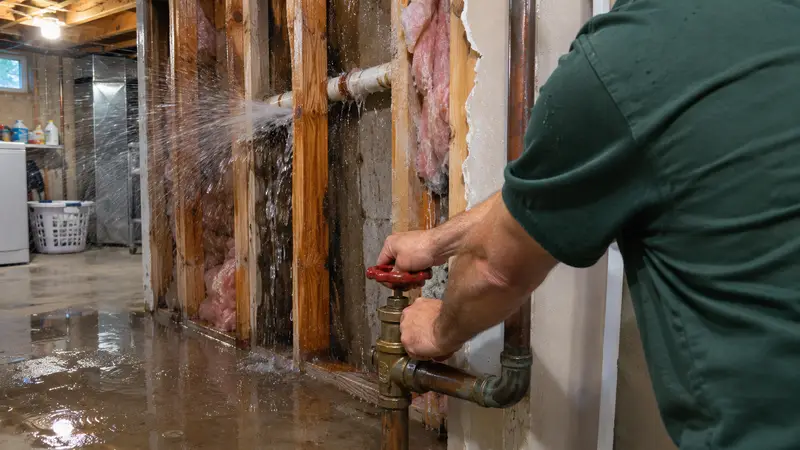
- Why do pipes freeze in Denver?Cold fronts can drop fast on the plains after a mild afternoon. Pipes in garages, exterior walls, crawl spaces and unfinished basement corners freeze first. A split shows up as a spray or a soaked ceiling when the thaw comes.
- Why do basement floors flood in Denver?Most older homes have basements with floor drains, and some have sump pumps. Summer storms and spring melt overload the drain, and a failed sump pump lets water rise. A wet corner or a damp smell is a warning.
- Why do Denver homes have lead or galvanized lines?Houses from before the 1950s may still have galvanized steel lines, and some older homes have lead solder or lead service lines. Galvanized pipe corrodes, so pressure drops and the water turns brown. Replacing old lines fixes the flow.
- Why does hard water wear out heaters in Denver?Front Range water is known for minerals, which build up inside tanks and on fixtures. The heater works harder and fails sooner. A rumbling tank or lukewarm water means scale has built up.
How freezing nights reach Denver plumbing
Clay and cast iron pipe sags and cracks, and tree roots grow into the openings. Wastewater backs up into the basement drain or the lowest toilet.
The fix: We clear the line, use a sewer camera check to find the break, and repair or replace the damaged section.
Garages, crawl spaces and outside walls freeze quickly when a cold front arrives. The thaw releases water through the ceiling or floor.
The fix: We repair the split and reroute or protect the run that froze.
Heavy rain and snowmelt push water toward foundations. A failed sump pump or a backed-up floor drain floods the basement.
The fix: We test and replace the sump pump and clear the drain line that carries the water away.
Where problems show up in Denver homes
Basements account for much of the trouble. A wet floor drain, a failed sump pump or a heater that leaks collects water in the lowest part of the house. Garages and exterior walls are where pipes freeze.
Old kitchens and bathrooms show low pressure, brown water and slow drains. When one fixture is weak and the rest are fine, a clogged or corroded branch is the likely cause. Cold snaps in Denver turn small cracks into floods, so knowing what to do when a pipe bursts saves floors and drywall.
Freeze, thaw and summer hail storms
The first hard freeze arrives in the fall, and hose bibs and exposed lines split. A late spring cold snap can catch pipes in the same way after a long mild stretch.
Spring thaw and big summer thunderstorms are the other busy times. The sewer system fills, floor drains back up and sump pumps run hard. Hot, dry weeks in between leave pumps idle, so a bad one goes unnoticed. Mature trees in Denver send roots into clay and cast iron lines, so a main sewer line clog tends to return.
Victorians, bungalows and mature tree streets
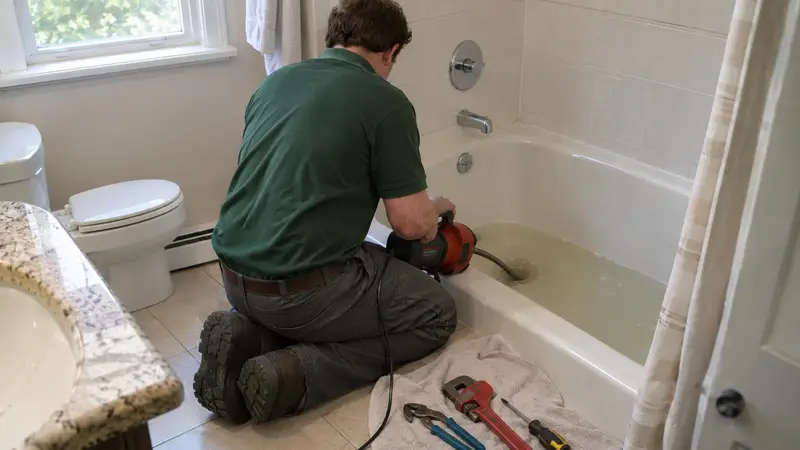
Many Denver neighborhoods were built from the 1890s to the 1950s, with brick and stone foundations and full basements. Original cast iron, clay and galvanized lines have been patched many times. Tell us the drain keeps slowing, and we check the line with a sewer camera.
Shade trees planted a century ago are huge now, and their roots reach the clay pipe in the yard and the street. Newer builds on the edges have plastic pipe, but they still see freeze and sump problems. Homes in nearby Commerce City and Aurora deal with much the same moisture. The wider Denver Area area has the same mix of weather and housing.
Neighborhoods we cover in Denver
Highland
Victorian and early 1900s homes, many updated, with old lines tied to newer plumbing.
- 80211
Wellshire
Mid-century homes with basements and mature trees where aging sewer lines and heaters cause calls.
- 80222
Washington Park
Brick bungalows and larger homes from the early 1900s with basements, old drains and mature shade trees.
- 80209
Park Hill
Older homes with basements, original cast iron and clay lines, and large trees close to the sewer laterals.
- 80207
Plumbing services Denver homes call about
Emergency Plumber
Burst pipes, major leaks, sewage backups and no water, with an answer around the clock.
Emergency Plumber ›Drain Cleaning
Clogged sinks, tubs, toilets and main sewer lines cleared, including roots and sewer camera checks.
Drain Cleaning ›Leak Detection and Repair
Slab leaks, wall leaks and pipe leaks found and fixed before they ruin floors and drywall.
Leak Detection and Repair ›Common problems we get calls about
Frozen or split pipes
Pipes in exterior walls, garages and crawl spaces freeze first, and the leak starts at the thaw.
Scale on faucets and a noisy water heater
White crust on fixtures and a popping tank are signs of mineral buildup.
No hot water
A leaking tank, a pilot that will not stay lit or a failed element.
Roots in the sewer line
Gurgling, slow drains in several fixtures and repeat main line clogs often mean roots in the lateral.
Rusty water and weak pressure from old pipe
Brown water after a repair, or pressure that dropped at every tap, points to aging galvanized lines.
Basement floor drain backups
Heavy rain or a clogged main sends water up through the lowest drain in the house.
Get help in three simple steps
- Call and describe the problem
Tell us what is leaking, backing up or not working, and whether water is still running.
- We answer your call
Tell us your address and we confirm that we serve it. We set a time to come to the house.
- Repair and cleanup
We find the cause and fix it. We test the line or fixture before we leave.
Areas we serve in Denver
Denver is part of our Denver Area service area. We serve homes in:
- 80202
- 80203
- 80204
- 80205
- 80206
- 80207
- 80209
- 80210
- 80211
- 80212
- 80214
- 80215
- 80216
- 80218
- 80219
- 80220
- 80221
- 80222
- 80223
- 80224
- 80226
- 80227
- 80228
- 80229
- 80230
- 80231
- 80232
- 80233
- 80234
- 80235
- 80236
- 80237
- 80238
- 80239
- 80246
- 80247
- 80249
- 80260
- 80264
- 80266
- 80290
- 80293
- 80294
Plumbing questions in Denver
Why do my drains keep clogging?
Grease, hair, wipes and tree roots are the common causes. If several drains back up at once, the clog is usually in the main sewer line.
How do I shut off the water in an emergency?
Turn the main shutoff valve clockwise until it stops. It is usually where the water line enters the house, near the meter, in a basement or in a utility closet.
Why is my water pressure low?
Mineral buildup in aerators, a failing pressure regulator or a hidden leak are the usual causes. Low pressure at every fixture points to the main line or regulator.
Who is a plumber near me in Denver?
We are. We serve Denver homes. Call (844) 626-0032 and describe the problem.
Plumber in Denver, CO: Call Now
Tell us what is leaking, backing up or not working. We take it from there.
Call Now (844) 626-0032