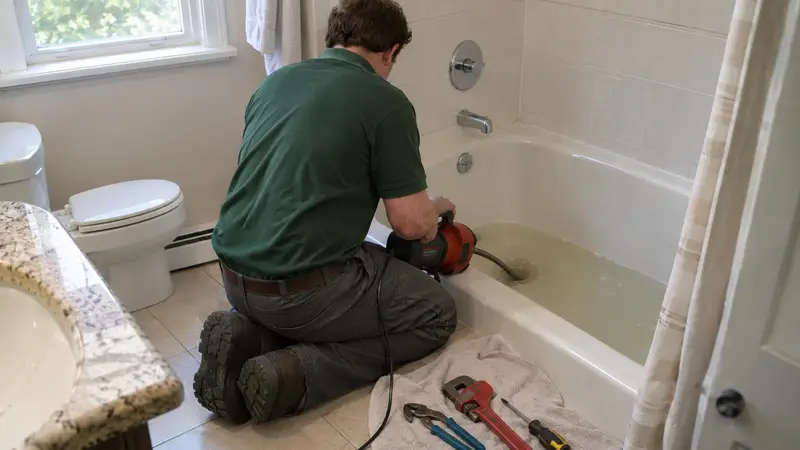
Plumber Norfolk, VA
Plumbing repair for Norfolk homes: old galvanized and cast iron lines, sewer lines with roots and leaky pipes. Call Now and we get started.
Call Now (844) 626-0032Say what is leaking, backing up or not working.Is your address covered?
Enter a ZIP code or city to see if we serve your area.
Plumbing problems in Norfolk
Norfolk is a harbor city of tidal creeks, rowhouses and shaded streets, and the water is never far from the pipes. Many homes date from the 1910s through the 1950s, and brick bungalows and Colonial style houses stand beside postwar Cape Cods. The ground is low, salty and often wet at high tide.
Calls come for cast iron drains that clog, sewer lines that back up in storms, damp crawl space pipes and tanks that fail in tight closets. In Norfolk, we clear the line, trace the leak and replace the pipe that wore out. Tell us what you see and we start there.
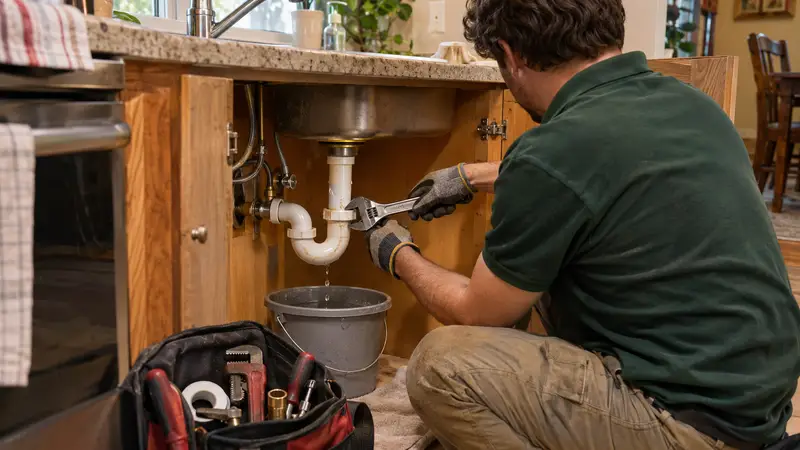
Why plumbing fails in Norfolk homes
Updated November 2026
- Why do old Norfolk homes have drain trouble?Homes from the early and mid 1900s often have cast iron and clay drains that are decades past their prime. Cast iron scales over and clay cracks at the joints. Slow sinks and repeat clogs follow.
- Why do Norfolk sewers back up in storms and high tides?The city is low and flat, and rain or tidal water fills the ground around old lines. Cracked laterals take in water and slow the flow. A toilet that gurgles or a tub that fills is the usual warning.
- Why do crawl space pipes rot in Norfolk?Many older houses sit on brick piers or low crawl spaces over damp ground. Salt air and moisture rust hangers, valves and old galvanized pipe. Owners see weak flow, damp floors or a musty smell.
- Do tree roots get into Norfolk sewer lines?Large old oaks and maples line many streets, and their roots seek out the moisture in a leaking joint. Clay pipe lets them in easily. A line that clogs again after clearing usually has roots in it.
- Why do Norfolk water heaters fail in closets and basements?Tanks in rowhouses and older homes sit in tight, humid spaces. Rust takes the base and fittings over time. A small leak can ruin a floor before anyone sees it.
How the weather reaches Norfolk plumbing
Old drains scale over inside or crack at the joints. The owner sees slow sinks, gurgling and a smell near the floor drain.
The fix: We clear the line, run a sewer camera check and replace the damaged length with new pipe.
Water rises around old laterals and seeps into every crack. Sewage can back up into the lowest tub or toilet.
The fix: The blockage is cleared and the failing section is repaired. A backwater valve can be fitted where backups repeat.
Roots go through clay joints and form a mat that catches paper. Drains slow, then stop all at once.
The fix: The roots are cut out, the break is found on camera, and the joint is renewed so the line stays open.
Where drain trouble shows up in Norfolk homes
Check the lowest fixtures first. A gurgling floor drain, a slow tub or a toilet that rises means the lateral is blocked or full. In rowhouses, one shared line can affect more than one home.
Rust-colored water after the pipes sit points to old galvanized lines. A damp stain under a bathroom floor often means a cast iron joint has started to leak.
Nor'easters, summer storms and king tides
High tides and storm surge push water into the ground around old lines, and drains slow to a crawl. Calls jump when a storm lands on a full moon tide. Sewer backups are the most common call then.
In summer, thunderstorms drop rain faster than old lines can carry it. In fall and winter, nor'easters do the same for days. We clear the backup, find the weak spot and repair it so the next storm is less of a problem. Mature trees in Norfolk send roots into clay and cast iron lines, so a main sewer line clog tends to return.
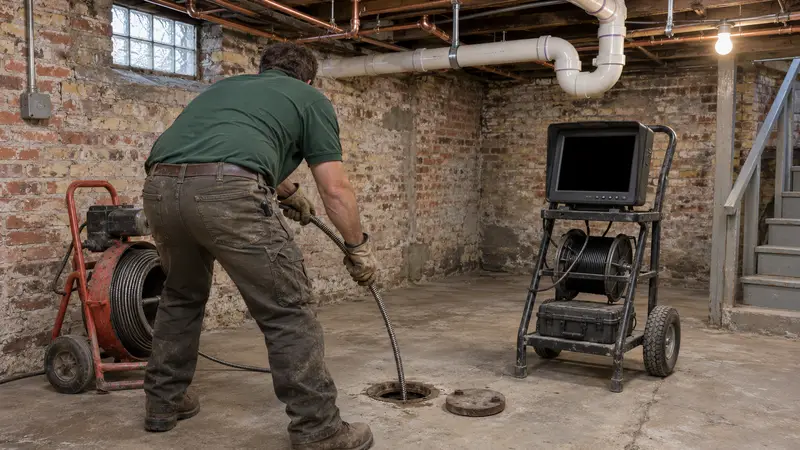
Naval city, old brick and salt air
Norfolk grew around the harbor, and much of its housing was built in waves from the early 1900s through the postwar years. Each wave used the pipe of its day, from cast iron and clay to copper and galvanized steel. Many houses now have all of these in one building.
Salt air and wet ground shorten the life of valves, hose bibs and exposed pipe. A shutoff that will not close or a fitting that weeps is common. Replacing worn valves and tired sections keeps small leaks from turning into floor damage. Homes in nearby Chesapeake and Virginia Beach deal with much the same moisture. The wider Hampton Roads area has the same mix of weather and housing.
Neighborhoods we cover in Norfolk
Ghent
Early 1900s townhouses and large houses have original cast iron drains and old supply lines in damp basements and crawl spaces.
- 23507
Larchmont
Tall oaks shade older brick homes whose clay laterals and aging drains draw roots.
- 23508
Colonial Place
Historic homes from the early 1900s keep old galvanized and cast iron pipe, with low ground close to the river.
- 23508
Ocean View
Low bayfront streets and older homes take on water in storms, and old laterals back up.
- 23503
Berkley
Older homes near the river sit on low ground, with aged drains and damp crawl spaces.
- 23523
Plumbing services Norfolk homes call about
Emergency Plumber
Burst pipes, major leaks, sewage backups and no water, with an answer around the clock.
Emergency Plumber ›Drain Cleaning
Clogged sinks, tubs, toilets and main sewer lines cleared, including roots and sewer camera checks.
Drain Cleaning ›Leak Detection and Repair
Slab leaks, wall leaks and pipe leaks found and fixed before they ruin floors and drywall.
Leak Detection and Repair ›Common problems we get calls about
Roots in the sewer line
Gurgling, slow drains in several fixtures and repeat main line clogs often mean roots in the lateral.
Sewage backing up
Wastewater at a floor drain or tub points to a main line clog.
Rusty water and weak pressure from old pipe
Brown water after a repair, or pressure that dropped at every tap, points to aging galvanized lines.
No hot water
A leaking tank, a pilot that will not stay lit or a failed element.
Dripping faucets and fixtures
Worn cartridges and washers waste water around the clock.
Clogged or slow drains
A sink, tub or toilet that drains slowly, gurgles or backs up.
Get help in three simple steps
- Call and describe the problem
Tell us what is leaking, backing up or not working, and whether water is still running.
- We answer your call
Tell us your address and we confirm that we serve it. We set a time to come to the house.
- Repair and cleanup
We find the cause and fix it. We test the line or fixture before we leave.
Areas we serve in Norfolk
Norfolk is part of our Hampton Roads service area. We serve homes in:
- 23502
- 23503
- 23504
- 23505
- 23507
- 23508
- 23509
- 23510
- 23511
- 23513
- 23517
- 23518
- 23523
- 23551
Plumbing questions in Norfolk
How can I find a hidden leak?
Turn every tap off and watch the water meter. If it still moves, water is escaping somewhere. Warm spots on a slab floor or damp drywall point to where.
How do I shut off the water in an emergency?
Turn the main shutoff valve clockwise until it stops. It is usually near the meter, in a garage or utility closet, or where the main line enters the house.
Why do my drains keep clogging?
Grease, hair, wipes and tree roots are the common causes. If several drains back up at once, the clog is usually in the main sewer line.
Who is a plumber near me in Norfolk?
We are. We serve Norfolk homes. Call (844) 626-0032 and describe the problem.
Plumber in Norfolk, VA: Call Now
Tell us what is leaking, backing up or not working. We take it from there.
Call Now (844) 626-0032