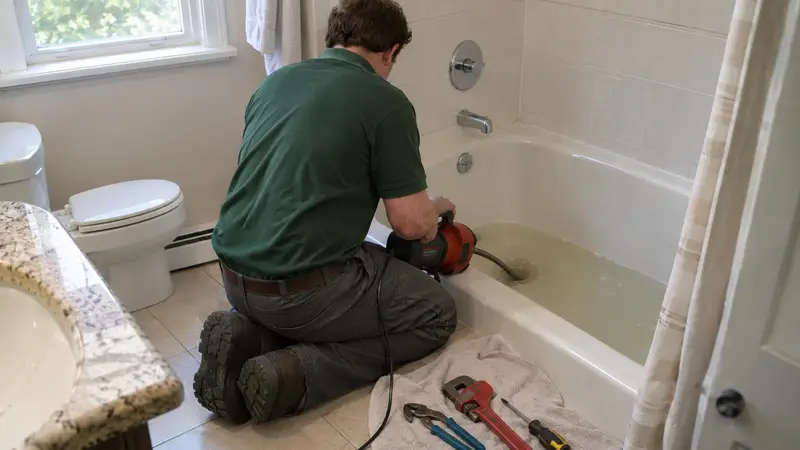
Plumber Tampa, FL
Plumbing repair for Tampa homes: slab leaks, old galvanized and cast iron lines and sewer lines with roots. Call Now and we get started.
Call Now (844) 626-0032Say what is leaking, backing up or not working.Is your address covered?
Enter a ZIP code or city to see if we serve your area.
Plumbing problems in Tampa
Tampa sits on low, sandy ground beside the bay and the Hillsborough River. The water table is shallow, summer storms are heavy, and big live oaks shade many of the older streets. All of that works on the pipes under and around a house.
The usual Tampa call is a slab leak, a sewer line that backs up after a storm, or a water heater that quit in the garage. In Tampa, we trace the leak, clear the line and find the break with a sewer camera check. Tell us what is running or backing up.
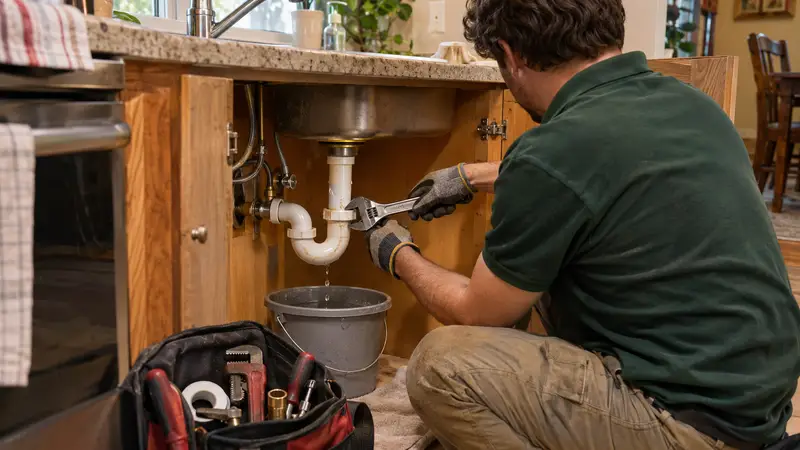
Why plumbing fails in Tampa homes
Updated November 2026
- Why do slab leaks happen in Tampa?Most Tampa homes built after the 1950s sit on concrete slabs with pipes buried inside or beneath them. Sandy soil shifts as the water table rises and falls. Over time a joint wears through and water leaks under the floor.
- Why do sewer lines back up in Tampa after storms?Summer storms drop a lot of rain on flat, low ground. The soil and the older city lines fill up, and wastewater pushes back to the lowest drain in the house. Roots in cracked clay laterals make it worse.
- Why do older Tampa houses have so many pipe problems?Bungalows from the 1920s and 1930s were piped with galvanized steel and cast iron. Both rust from the inside. Low pressure, brown water and drains that clog again and again are the usual signs.
- Why does hard water wear out Tampa water heaters?Tampa water is hard, and the minerals build up as scale inside the tank. Scale makes the heater work harder and fail sooner. Faucets and shower heads clog with it too.
- Why do oak roots clog Tampa sewer lines?Big oaks send roots toward the damp joints in old clay lines. The roots grow inside the pipe and catch paper and grease. A slow drain that returns every few months usually points to roots.
How the weather reaches Tampa plumbing
The water table rises in the wet season and drops in the dry months, and the ground under the slab shifts with it. Buried pipes rub and wear. The owner sees a warm spot on the floor, a high water bill or the sound of running water.
The fix: The leak is located and the line is repaired, or rerouted through the walls or attic so the slab stays alone.
Flat streets drain slowly, and the ground is already wet. Wastewater backs up the lateral into floor drains, tubs and toilets.
The fix: The line is cleared, a sewer camera check finds the root or break, and the damaged section is repaired.
Minerals bake onto the heating parts and settle in the tank. Hot water runs short, the tank rumbles, and fittings start to weep.
The fix: The old heater is drained and replaced, and the shutoff and drain pan are set up to limit damage from the next leak.
Where leaks show up in Tampa homes
Slab homes hide most of their plumbing. A leak shows as a damp patch under tile, a warm floor, a sudden jump in the water bill or low pressure at a single fixture. Raised older homes show it as stains and drips in the crawl space.
Garages and laundry closets are the other common spots. Water heaters there fail with little warning, and a slow drip from a supply line can soak drywall for weeks. In Tampa, a pipe under the concrete can leak for months before a damp spot appears, which is why slab leak warning signs matter.
Summer storms and hurricane season
Tampa gets daily storms in summer, and the rain comes hard. Streets flood at the edges, and the older sewer lines fill. A toilet that gurgles or a floor drain that rises during a storm is a sewer line asking for attention.
Hot months also run water heaters and irrigation lines hard. Winter is mild, so calls slow down, but a rare cold snap can split an exposed pipe or a pool line. Mature trees in Tampa send roots into clay and cast iron lines, so a main sewer line clog tends to return.
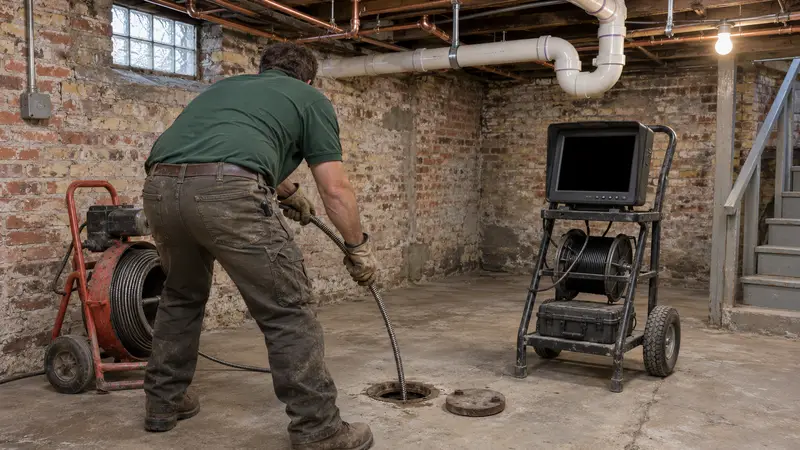
Old bungalows, oak roots and the bay
Tampa grew in waves, and each wave left its own pipe. Galvanized and cast iron from the 1920s to the 1950s, clay laterals from the same years, and copper and then plastic after that. We see all of them, sometimes in one house.
Live oaks and laurel oaks drink from any leaking joint they can reach. Salt air and a high water table near the bay add rust to exposed fittings and shutoff valves. Homes in nearby Brandon and Thonotosassa deal with much the same moisture. The wider Tampa Bay area has the same mix of weather and housing.
Neighborhoods we cover in Tampa
Seminole Heights
Bungalows from the 1920s with old galvanized and cast iron pipes and drains under mature oaks.
- 33603
- 33604
Hyde Park
Historic homes from the early 1900s, many raised on piers, with original pipe that has been patched for decades.
- 33606
Palma Ceia
Mid-century and older homes on large lots where oak roots reach aging clay sewer laterals.
- 33629
Davis Islands
Homes from the 1920s and later on filled land, where drain lines have moved with the ground.
- 33606
Tampa Palms
Planned community homes from the 1990s on slabs, where builder-grade water heaters are now showing age.
- 33647
Plumbing services Tampa homes call about
Emergency Plumber
Burst pipes, major leaks, sewage backups and no water, with an answer around the clock.
Emergency Plumber ›Leak Detection and Repair
Slab leaks, wall leaks and pipe leaks found and fixed before they ruin floors and drywall.
Leak Detection and Repair ›Drain Cleaning
Clogged sinks, tubs, toilets and main sewer lines cleared, including roots and sewer camera checks.
Drain Cleaning ›Common problems we get calls about
Roots in the sewer line
Gurgling, slow drains in several fixtures and repeat main line clogs often mean roots in the lateral.
Slab leaks
Warm spots on the floor, a running meter with every tap off or damp carpet point to a leak under the slab.
No hot water
A leaking tank, a pilot that will not stay lit or a failed element.
Scale on faucets and a noisy water heater
White crust on fixtures and a popping tank are signs of mineral buildup.
Rusty water and weak pressure from old pipe
Brown water after a repair, or pressure that dropped at every tap, points to aging galvanized lines.
Low water pressure
A failing regulator, a hidden leak or clogged aerators cut flow.
Get help in three simple steps
- Call and describe the problem
Tell us what is leaking, backing up or not working, and whether water is still running.
- We answer your call
Tell us your address and we confirm that we serve it. We set a time to come to the house.
- Repair and cleanup
We find the cause and fix it. We test the line or fixture before we leave.
Areas we serve in Tampa
Tampa is part of our Tampa Bay service area. We serve homes in:
- 33602
- 33603
- 33604
- 33605
- 33606
- 33607
- 33609
- 33610
- 33611
- 33612
- 33613
- 33614
- 33615
- 33616
- 33617
- 33618
- 33619
- 33620
- 33621
- 33624
- 33625
- 33626
- 33629
- 33634
- 33635
- 33637
- 33647
Plumbing questions in Tampa
How do I shut off the water in an emergency?
Turn the main shutoff valve clockwise until it stops. It is usually near the meter, in a garage or utility closet, or where the main line enters the house.
What counts as a plumbing emergency?
A burst pipe, water that will not shut off, sewage backing up, no water at all or a gas smell from a water heater. Shut off the main water valve for leaks and call us right away.
Why do my drains keep clogging?
Grease, hair, wipes and tree roots are the common causes. If several drains back up at once, the clog is usually in the main sewer line.
Who is a plumber near me in Tampa?
We are. We serve Tampa homes. Call (844) 626-0032 and describe the problem.
Plumber in Tampa, FL: Call Now
Tell us what is leaking, backing up or not working. We take it from there.
Call Now (844) 626-0032