Plumber Seattle, WA
Plumbing repair for Seattle homes: old galvanized and cast iron lines, sewer lines with roots and basement drains and sump lines. Call Now and we get started.
Call Now (844) 626-0032Say what is leaking, backing up or not working.Is your address covered?
Enter a ZIP code or city to see if we serve your area.
Plumbing problems in Seattle
Seattle is built on hills, wet ground and a great many big trees. Rain falls for months, the soil stays soft, and a large share of the homes date from the early 1900s through the 1950s. Old pipes, old side sewers and thirsty roots all share the same ground.
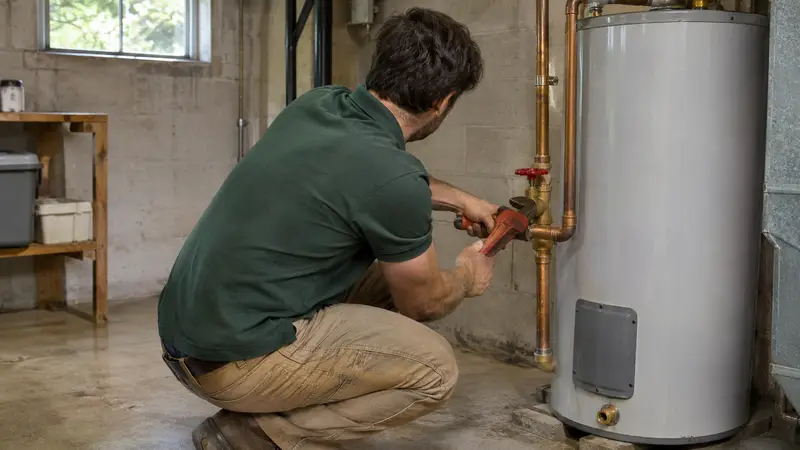
Most calls in Seattle start with a slow drain that turns into a backup, a basement floor drain that gurgles in a storm, or a water heater that quits. In Seattle, we clear sewer lines, run sewer camera checks, repair worn supply pipes and replace failed water heaters.
Why plumbing fails in Seattle homes
Updated November 2026
- Why do sewer lines back up in Seattle homes?Many older houses still have clay or concrete side sewers that have shifted and opened at the joints. Tree roots find those joints during the wet months. The result is a slow drain that stops all at once.
- Why do Seattle basements get floor drain backups?Hillside and daylight basements sit low, so a blocked or overloaded sewer pushes water out of the lowest drain first. Storm rain makes it worse. A laundry sink or a floor drain near the water heater is usually where it shows.
- Why do old Seattle houses have low water pressure?Homes from the early and mid 1900s often kept their galvanized steel supply pipes. Rust and mineral buildup narrow the pipe from the inside. Showers weaken, and rusty water shows up after the pipes have been idle.
- Do pipes freeze in Seattle?Hard freezes are rare, but a cold snap now and then catches homes that were never built for it. Pipes in crawl spaces, garages and outside walls are the first to split. Many owners find out only when the thaw starts.
- Why do Seattle water heaters fail in basements and closets?Tanks often sit in a damp basement corner, a crawl space or a tight utility closet. Moisture rots the base and the fittings over the years. A small drip turns into a flooded floor if no one is home.
How the weather reaches Seattle plumbing
Clay and concrete sewer pipes from the early 1900s open at the joints as the ground moves. Roots grow in, catch paper and grease, and the owner sees slow drains and a gurgle in the lowest fixture.
The fix: We cut the roots out, run a sewer camera check to find the break, and repair or replace the damaged section.
Months of wet weather soak the ground and fill older sewers. Water and waste back up toward a basement drain, a laundry tub or a downstairs toilet.
The fix: We clear the blockage, find where the line fails, and fit a backwater valve or sump pump where the house needs one.
Steel supply lines from the early to mid 1900s scale over and leak at the threads. The owner sees weak flow, brown water or damp spots behind a wall.
The fix: The worn run is traced and replaced with new copper or PEX, so the rest of the house stops losing pressure.
Where plumbing trouble shows up in Seattle homes
Basements and lower floors take the first hit. A floor drain that bubbles, a laundry tub that fills when the washer drains, or a toilet that gurgles all point to a sewer line that is struggling. Kitchens in older houses clog often because the old drain pipe is rough and narrow inside.
Upstairs, the signs are quieter. Brown water after a few days away, a faucet that sputters, or a damp patch on a basement ceiling usually means old steel supply pipe. In Seattle, we trace the leak and repair or replace the failing section.
Rain, cold snaps and the Seattle seasons
Autumn rain is when most backups start. Leaves clog gutters and yard drains, the ground fills, and sewer lines that were fine in summer begin to overflow. Winter keeps the load on until spring.
A cold snap in January or February can bring burst pipes in a house that never gets frost. Crawl spaces, garages and pipes on outside walls go first. Summer is calmer, but water heaters still fail without warning. Mature trees in Seattle send roots into clay and cast iron lines, so a main sewer line clog tends to return.
Hills, soft ground and old housing
Seattle sits on glacial soil and steep slopes, and the ground slowly shifts. Over many decades that movement pulls pipe joints apart, and the pipes that run downhill to the street carry the strain. Old side sewers also pass under big maples, firs and cedars, whose roots reach for the water inside.
The city has soft water, which is easy on fixtures, but it does not stop old steel and cast iron from aging. A house from the 1920s or 1940s often has several eras of pipe in one wall. A repair here usually means tying new pipe into old, and we plan for that. Homes in nearby Mercer Island and Kirkland deal with much the same moisture. The wider Seattle Area area has the same mix of weather and housing.
Neighborhoods we cover in Seattle
Ballard
Many homes date from the early 1900s and 1950s, with old side sewers that sit under mature street trees.
- 98107
Wallingford
Craftsman houses from the early 1900s often keep original drains and galvanized lines in the basement.
- 98103
Capitol Hill
Older houses and apartment buildings have cast iron drains and steep lots where sewers run a long way to the street.
- 98102
- 98112
Magnolia
Hillside homes with daylight basements sit low on the slope, where floor drains and laundry lines back up first.
- 98199
Columbia City
Houses from the early and mid 1900s have clay side sewers that roots enter through open joints.
- 98118
Plumbing services Seattle homes call about
Emergency Plumber
Burst pipes, major leaks, sewage backups and no water, with an answer around the clock.
Emergency Plumber ›Drain Cleaning
Clogged sinks, tubs, toilets and main sewer lines cleared, including roots and sewer camera checks.
Drain Cleaning ›Leak Detection and Repair
Slab leaks, wall leaks and pipe leaks found and fixed before they ruin floors and drywall.
Leak Detection and Repair ›Common problems we get calls about
Banging or noisy pipes
Water hammer, loose pipe straps or high pressure rattle walls.
Clogged or slow drains
A sink, tub or toilet that drains slowly, gurgles or backs up.
Basement floor drain backups
Heavy rain or a clogged main sends water up through the lowest drain in the house.
Running or leaking toilets
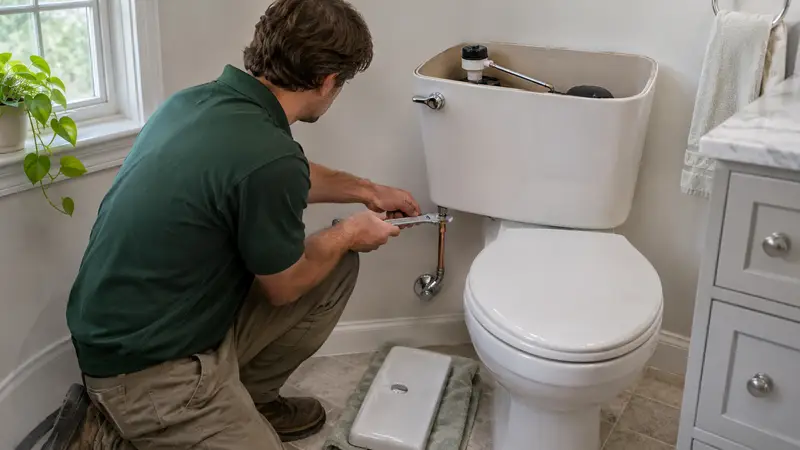
A bad flapper, fill valve or wax ring wastes water or leaks onto the floor.
Rusty water and weak pressure from old pipe
Brown water after a repair, or pressure that dropped at every tap, points to aging galvanized lines.
Roots in the sewer line
Gurgling, slow drains in several fixtures and repeat main line clogs often mean roots in the lateral.
Get help in three simple steps
- Call and describe the problem
Tell us what is leaking, backing up or not working, and whether water is still running.
- We answer your call
Tell us your address and we confirm that we serve it. We set a time to come to the house.
- Repair and cleanup
We find the cause and fix it. We test the line or fixture before we leave.
Areas we serve in Seattle
Seattle is part of our Seattle Area service area. We serve homes in:
- 98101
- 98102
- 98103
- 98104
- 98105
- 98106
- 98107
- 98108
- 98109
- 98112
- 98115
- 98116
- 98117
- 98118
- 98119
- 98121
- 98122
- 98125
- 98126
- 98133
- 98134
- 98136
- 98144
- 98146
- 98148
- 98154
- 98155
- 98158
- 98164
- 98166
- 98168
- 98174
- 98177
- 98178
- 98188
- 98195
- 98198
- 98199
Plumbing questions in Seattle
Why is my water pressure low?
Mineral buildup in aerators, a failing pressure regulator or a hidden leak are the usual causes. Low pressure at every fixture points to the main line or regulator.
What counts as a plumbing emergency?
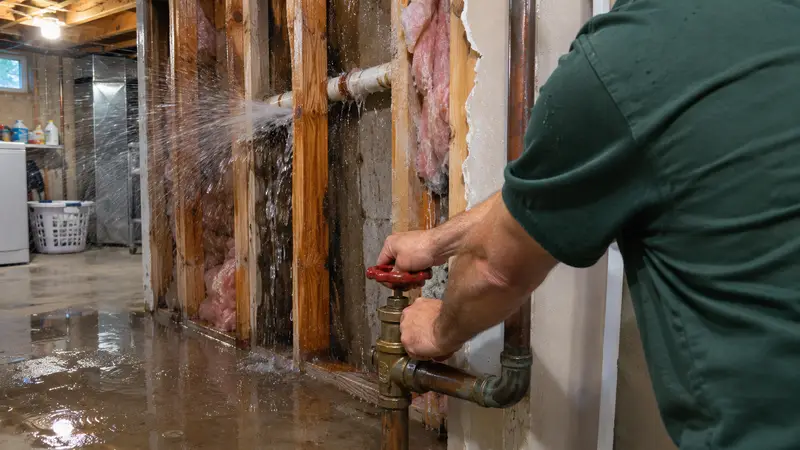
A burst pipe, water that will not shut off, sewage backing up, no water at all or a gas smell from a water heater. Shut off the main water valve for leaks and call us right away.
Why is my water heater leaking?
A leak from the tank means the tank failed and needs replacement. A leak at a pipe connection or the relief valve can often be repaired.
Who is a plumber near me in Seattle?
We are. We serve Seattle homes. Call (844) 626-0032 and describe the problem.
Plumber in Seattle, WA: Call Now
Tell us what is leaking, backing up or not working. We take it from there.
Call Now (844) 626-0032