Plumber Salt Lake City, UT
Plumbing repair for Salt Lake City homes: burst pipes, old galvanized and cast iron lines and sewer lines with roots. Call Now and we get started.
Call Now (844) 626-0032Say what is leaking, backing up or not working.Is your address covered?
Enter a ZIP code or city to see if we serve your area.
Plumbing problems in Salt Lake City
Salt Lake City sits on an old lake bed at the foot of the Wasatch, and its homes span more than a century. Victorian and brick bungalow streets on the east side give way to postwar ramblers on the west side. Old pipe under tall street trees means plenty of buried trouble.
Winter freezes, spring melt from the canyons and hard water drive the calls. In Salt Lake City, we fix burst pipes, clear sewer lines, replace water heaters and trace leaks that run behind plaster and under basement floors.
Why plumbing fails in Salt Lake City homes
Updated November 2026
- Why do old Salt Lake City sewer lines back up?Older neighborhoods have clay and cast iron laterals from the early 1900s. Joints shift, and roots from mature street trees grow in. Wastewater backs up to basement drains.
- Why do galvanized pipes cause trouble in Salt Lake City homes?Early houses were plumbed with galvanized steel that rusts inside. Flow weakens, water runs brown and joints leak behind plaster. Mixed repairs of old and new pipe tend to fail at the joints.
- Why do pipes freeze in Salt Lake City?Valley nights can drop well below freezing, and cold air pools during winter inversions. Older homes have thin walls and drafty porches. Pipes in outside walls and crawl spaces split.
- Why do basements flood in Salt Lake City?Snowmelt from the canyons and spring storms load the ground, and the water table is high in parts of the valley. A failed sump pump or a backed-up sewer line puts water on the basement floor.
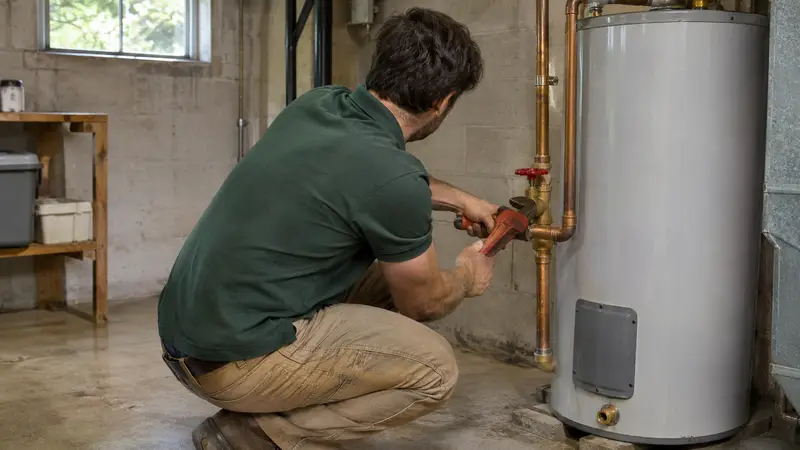
- Why does hard water wear out Salt Lake City water heaters?Scale gathers in the tank and coats the fittings. Heaters in older basements run noisy and lose hot water long before they leak.
How freezing nights reach Salt Lake City plumbing
Roots work into cracked joints in early sewer lines. Drains slow, gurgle and back up into the basement.
The fix: The line is cleared, a sewer camera check finds the break, and the failed section is repaired or replaced.
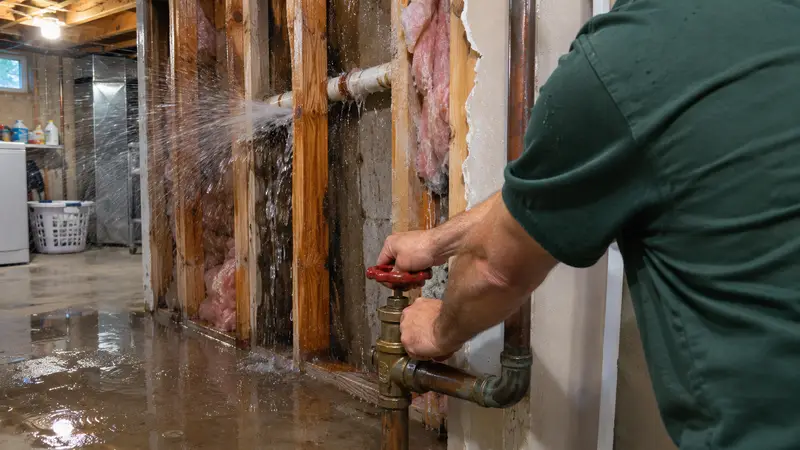
Cold settles into the valley and soaks through old walls, porches and crawl spaces. Pipes freeze, split and flood a wall or ceiling when the ice melts.
The fix: The split is cut out and replaced, and the exposed pipe is protected or moved to a warmer spot.
Canyon runoff and wet ground push water toward foundations. A weak sump pump or a clogged line leaves water on the floor.
The fix: The pump or the drain is repaired or replaced, and the sewer line is cleared and checked.
Where leaks and backups show up in Salt Lake City homes
Basements get the first sign. A floor drain that fills, a damp patch near the water heater or a stain on a lower wall points to old pipe. Upstairs, weak flow at the tub often means rust inside galvanized lines.
Plaster walls hide leaks well. A small drip can run for months, and the first clue is a faint stain or a musty smell in a closet. Cold snaps in Salt Lake City turn small cracks into floods, so knowing what to do when a pipe bursts saves floors and drywall.
Winter freezes, spring melt and summer heat
Winter calls follow the coldest nights, when inversions lock cold air in the valley. Porches, garages and crawl spaces freeze first. Many owners find the leak when the weather warms.
Spring melt from the canyons soaks the ground and loads the sewers, which is when sump pumps and floor drains are tested. Summer heat is hard on water heaters and on supply lines in attics. Mature trees in Salt Lake City send roots into clay and cast iron lines, so a main sewer line clog tends to return.
Victorian streets, bungalows and postwar ramblers
The oldest blocks in Salt Lake City have houses from the late 1800s and early 1900s. They carry a patchwork of galvanized, copper and cast iron pipe added over the years, and each joint is a weak point. Big trees along these streets keep working roots into the old laterals.
Postwar neighborhoods on the west side and across the valley were built fast with matching pipe and matching water heaters. When one house fails, its neighbors are often close behind, and hard water speeds up the wear. Homes in nearby North Salt Lake and Woods Cross deal with much the same moisture.
Neighborhoods we cover in Salt Lake City
Yalecrest
Brick homes from the 1920s through the 1940s on tree-lined streets, with older drains and mixed supply pipe.
- 84105
- 84108
Sugar House
Bungalows and cottages from the early to mid 1900s, many with basements and original sewer laterals.
- 84106
- 84105
Rose Park
Postwar ramblers from the 1940s and 1950s with older lines and mature trees in the yards.
- 84116
Capitol Hill
Steep streets with Victorian and early 1900s homes, old galvanized pipe and drains under stone walls.
- 84103
Plumbing services Salt Lake City homes call about
Emergency Plumber
Burst pipes, major leaks, sewage backups and no water, with an answer around the clock.
Emergency Plumber ›Drain Cleaning
Clogged sinks, tubs, toilets and main sewer lines cleared, including roots and sewer camera checks.
Drain Cleaning ›Leak Detection and Repair
Slab leaks, wall leaks and pipe leaks found and fixed before they ruin floors and drywall.
Leak Detection and Repair ›Common problems we get calls about
Roots in the sewer line
Gurgling, slow drains in several fixtures and repeat main line clogs often mean roots in the lateral.
Basement floor drain backups
Heavy rain or a clogged main sends water up through the lowest drain in the house.
Rusty water and weak pressure from old pipe
Brown water after a repair, or pressure that dropped at every tap, points to aging galvanized lines.
Scale on faucets and a noisy water heater
White crust on fixtures and a popping tank are signs of mineral buildup.
Frozen or split pipes
Pipes in exterior walls, garages and crawl spaces freeze first, and the leak starts at the thaw.
Running or leaking toilets
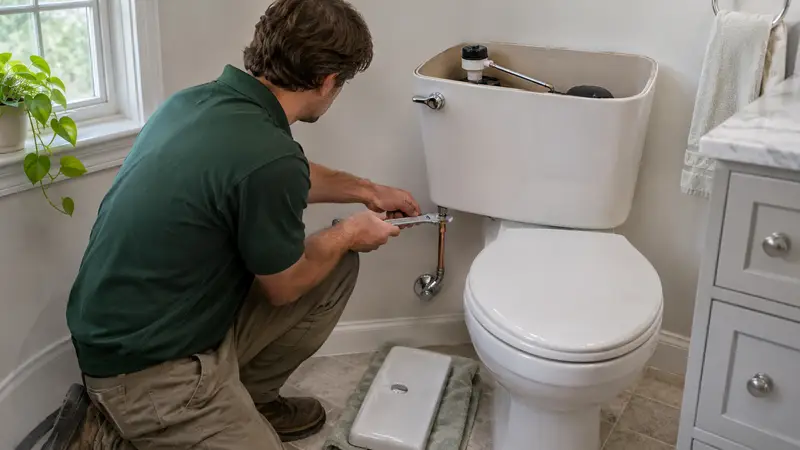
A bad flapper, fill valve or wax ring wastes water or leaks onto the floor.
Get help in three simple steps
- Call and describe the problem
Tell us what is leaking, backing up or not working, and whether water is still running.
- We answer your call
Tell us your address and we confirm that we serve it. We set a time to come to the house.
- Repair and cleanup
We find the cause and fix it. We test the line or fixture before we leave.
Areas we serve in Salt Lake City
Salt Lake City is the center of our Salt Lake City service area. We serve homes in:
- 84101
- 84102
- 84103
- 84104
- 84105
- 84106
- 84107
- 84108
- 84109
- 84111
- 84112
- 84113
- 84114
- 84115
- 84116
- 84117
- 84118
- 84121
- 84123
- 84124
- 84129
- 84138
- 84150
- 84180
Plumbing questions in Salt Lake City
Why is my water pressure low?
Mineral buildup in aerators, a failing pressure regulator or a hidden leak are the usual causes. Low pressure at every fixture points to the main line or regulator.
Why do my drains keep clogging?
Grease, hair, wipes and tree roots are the common causes. If several drains back up at once, the clog is usually in the main sewer line.
How can I find a hidden leak?
Turn every tap off and watch the water meter. If it still moves, water is escaping somewhere. Warm spots on a slab floor or damp drywall point to where.
Who is a plumber near me in Salt Lake City?
We are. We serve Salt Lake City homes. Call (844) 626-0032 and describe the problem.
Plumber in Salt Lake City, UT: Call Now
Tell us what is leaking, backing up or not working. We take it from there.
Call Now (844) 626-0032