Plumber Kansas City, KS
Plumbing repair for Kansas City homes: burst pipes, old galvanized and cast iron lines and sewer lines with roots. Call Now and we get started.
Call Now (844) 626-0032Say what is leaking, backing up or not working.Is your address covered?
Enter a ZIP code or city to see if we serve your area.
Plumbing problems in Kansas City
Kansas City, Kansas, sits where the Kansas River meets the Missouri, on bluffs and hills over the river bottoms. Its housing is mostly older: brick bungalows, foursquares and small frame houses from the 1880s through the 1950s, with basements cut into the hillsides. Old pipes, old trees and heavy rain meet in those basements.
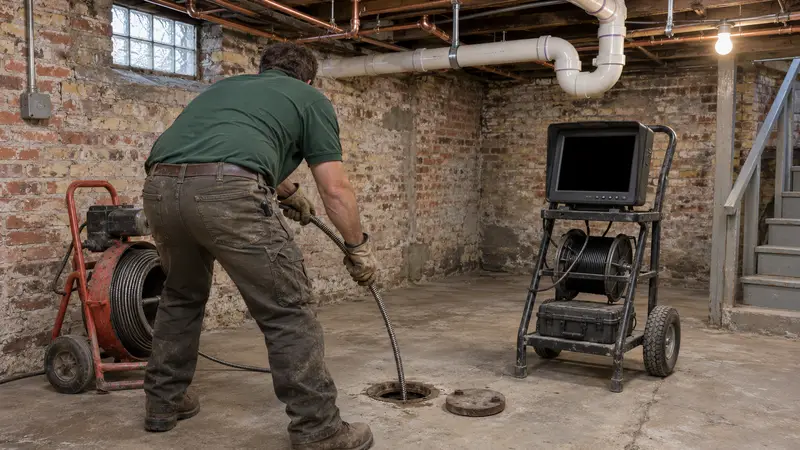
Calls come for sewer backups into basements, cracked cast iron stacks, weak flow from galvanized pipe, burst pipes in winter and heaters that quit. In Kansas City, we clear lines, run sewer camera checks and repair or replace the pipe that failed. Tell us what you see and we start there.
Why plumbing fails in Kansas City homes
Updated November 2026
- Why do Kansas City, Kansas basements get sewer backups?Many homes sit on hillsides with old clay and cast iron laterals that run a long way to the street. Roots and cracks slow the flow. A heavy rain then pushes waste to the lowest drain.
- Why do old Kansas City, Kansas homes have rusty pipes?Houses from the 1880s through the 1950s often kept galvanized supply lines and cast iron stacks. Both rust from the inside. Low flow, brown water and leaks at old joints follow.
- Why do pipes freeze in Kansas City, Kansas?Old houses have leaky walls, bare basement pipes and porches without heat. Winter cold slips in and splits the lines. Owners often see it after the thaw.
- Why do tree roots get into sewer lines here?Old neighborhoods have large mature trees along the streets and in tight yards. Their roots reach the clay joints. Drains slow down and clog again after cleaning.
- Why do old cast iron stacks leak in Kansas City, Kansas?Cast iron wears thin from the inside after many decades. Pinholes and cracked joints leak water and sewer gas inside walls. You see stains on ceilings and smell sewer gas.
How freezing nights reach Kansas City plumbing
Basements sit low, and laterals run far to the street. A blockage pushes wastewater up the lowest drain, usually a floor drain or laundry tub.
The fix: The line is cleared, a sewer camera check finds the break, and the damaged section is repaired or replaced. A backwater valve can be set where the house needs one.
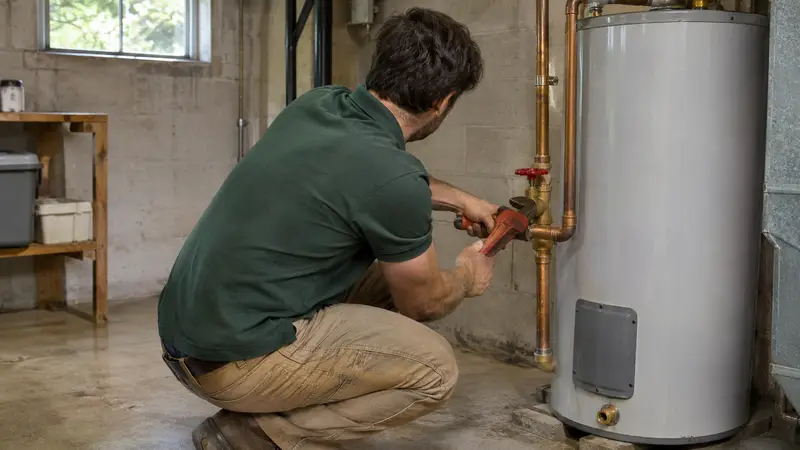
Steel supply lines scale over and cast iron stacks wear thin. You see weak showers, orange water and stains under bathrooms.
The fix: Worn supply runs are replaced with copper or PEX, and leaking stack sections are cut out and renewed.
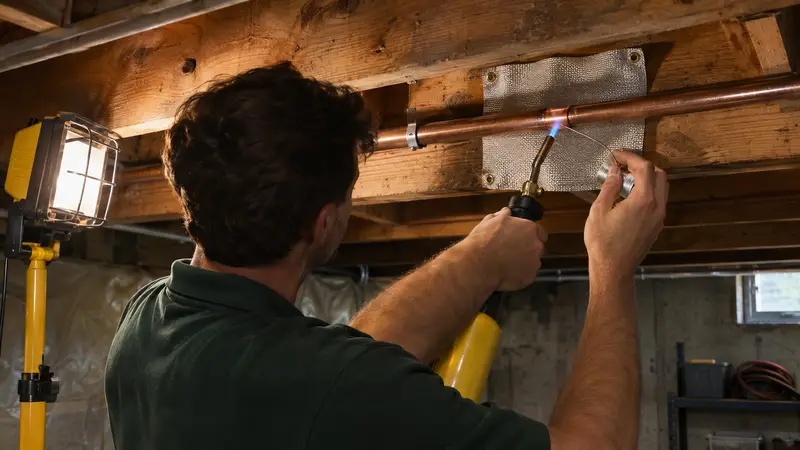
Bare pipes in basements, porches and outside walls freeze and split. A tap runs dry, then water pours out at the thaw.
The fix: The split is repaired, exposed pipe is wrapped or moved, and worn shutoff valves are replaced.
Where plumbing trouble shows up in Kansas City, Kansas homes
Start in the basement. A floor drain that bubbles, a laundry tub that fills, or a damp patch around the stack points to a sewer or an old drain. Upstairs, a stain on a ceiling under a bathroom often means a leaking cast iron joint.
Weak showers, orange water and a faucet that sputters point to galvanized supply pipe. Kitchen drains clog often because the old pipe is rough and narrow. When a hard freeze hits Kansas City, the first split pipe is usually in a garage, crawl space or exterior wall, and the first minutes after a pipe bursts decide how much water gets in.
Heavy storms, river valley cold and thaw
Spring and summer thunderstorms drop hard rain in a short time and overload old sewers. Calls spike after the worst storms. Fall leaves add to it by clogging yard drains.
Winter brings cold snaps that split pipes in cold basements and porches. In Kansas City, we also see heaters fail during a long cold spell, when they run hardest. Roots find the joints in old Kansas City sewer lines, and the signs of a clogged main sewer line start with slow drains in more than one fixture.
Bluffs, river bottoms and old housing
The city runs over bluffs and across river bottoms, so lots are steep or low. Sewers run downhill a long way and carry the strain of shifting ground. Low ground near the rivers collects water fast.
Many homes carry layers of repair from different decades, with iron, clay, steel and copper in one wall. When a run is bad, we often replace the weak section rather than clear it again and again. Homes in nearby Shawnee and Kansas City, MO deal with much the same moisture. The wider Kansas City, KS Area area has the same mix of weather and housing.
Neighborhoods we cover in Kansas City
Strawberry Hill
Small old homes from the early 1900s sit on steep streets, with cast iron drains and clay laterals running downhill.
- 66101
Armourdale
Older frame homes sit on low ground by the rivers, where old clay laterals back up in heavy rain.
- 66105
Argentine
Bungalows and small frame houses from the early and mid 1900s keep galvanized supply pipe and basement drains.
- 66106
Rosedale
Older houses from the early to mid 1900s sit under mature trees whose roots reach old sewer laterals.
- 66103
Plumbing services Kansas City homes call about
Emergency Plumber
Burst pipes, major leaks, sewage backups and no water, with an answer around the clock.
Emergency Plumber ›Drain Cleaning
Clogged sinks, tubs, toilets and main sewer lines cleared, including roots and sewer camera checks.
Drain Cleaning ›Leak Detection and Repair
Slab leaks, wall leaks and pipe leaks found and fixed before they ruin floors and drywall.
Leak Detection and Repair ›Common problems we get calls about
Basement floor drain backups
Heavy rain or a clogged main sends water up through the lowest drain in the house.
Roots in the sewer line
Gurgling, slow drains in several fixtures and repeat main line clogs often mean roots in the lateral.
Burst or leaking pipes
Water on the floor or a wet ceiling. Shutting off the main valve limits damage until we arrive.
Frozen or split pipes
Pipes in exterior walls, garages and crawl spaces freeze first, and the leak starts at the thaw.
Dripping faucets and fixtures
Worn cartridges and washers waste water around the clock.
Rusty water and weak pressure from old pipe
Brown water after a repair, or pressure that dropped at every tap, points to aging galvanized lines.
Get help in three simple steps
- Call and describe the problem
Tell us what is leaking, backing up or not working, and whether water is still running.
- We answer your call
Tell us your address and we confirm that we serve it. We set a time to come to the house.
- Repair and cleanup
We find the cause and fix it. We test the line or fixture before we leave.
Areas we serve in Kansas City
Kansas City is part of our Kansas City, KS Area service area. We serve homes in:
- 66101
- 66102
- 66103
- 66104
- 66105
- 66106
- 66109
- 66111
- 66112
- 66115
- 66118
- 66160
Plumbing questions in Kansas City
What counts as a plumbing emergency?
A burst pipe, water that will not shut off, sewage backing up, no water at all or a gas smell from a water heater. Shut off the main water valve for leaks and call us right away.
Why is my water pressure low?
Mineral buildup in aerators, a failing pressure regulator or a hidden leak are the usual causes. Low pressure at every fixture points to the main line or regulator.
How can I find a hidden leak?
Turn every tap off and watch the water meter. If it still moves, water is escaping somewhere. Warm spots on a slab floor or damp drywall point to where.
Who is a plumber near me in Kansas City?
We are. We serve Kansas City homes. Call (844) 626-0032 and describe the problem.
Plumber in Kansas City, KS: Call Now
Tell us what is leaking, backing up or not working. We take it from there.
Call Now (844) 626-0032