Plumber Durham, NC
Plumbing repair for Durham homes: burst pipes, old galvanized and cast iron lines and sewer lines with roots. Call Now and we get started.
Call Now (844) 626-0032Say what is leaking, backing up or not working.Is your address covered?
Enter a ZIP code or city to see if we serve your area.
Plumbing problems in Durham
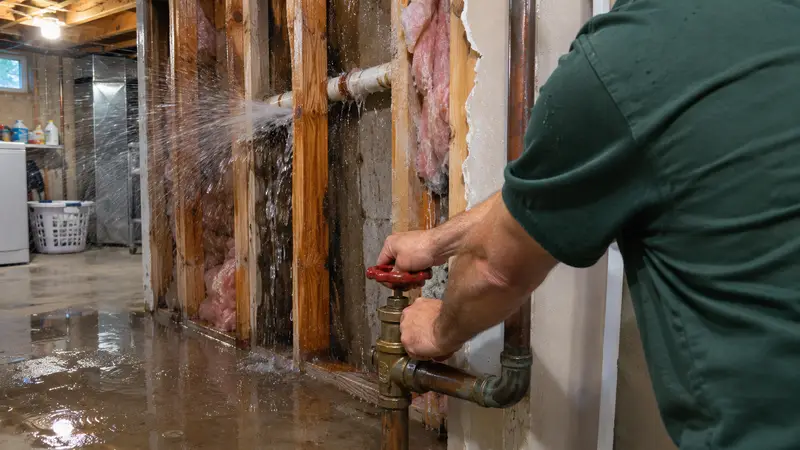
Durham is a city of brick tobacco warehouses, university towers and leafy streets of bungalows built a century ago. Pines, oaks and sweetgums tower over lots of stiff red clay, and many older houses rest on low crawl spaces. Pipes in that setting meet roots, shifting soil and the occasional ice storm.
People call about toilets that gurgle, supply lines that leak behind plaster, heaters that go cold and lines that split after a freeze. In Durham, we trace the break, open the drain and put in new pipe where the old one gave up. Tell us what is leaking and we start there.
Why plumbing fails in Durham homes
Updated November 2026
- What makes sewer trouble so common in older Durham neighborhoods?Bungalows and brick cottages from the 1920s through the 1950s often drain through clay or cast iron. Tall pines and oaks push roots through the seams. Toilets gurgle and tubs drain slowly long before the line fully stops.
- What happens to Durham crawl space plumbing in a freeze?Supply pipes hang below the floor, close to vents and bare ground. Cold air gets in and ice splits copper or old steel. The water often pours out once temperatures climb again.
- How does Durham clay affect buried pipe?Clay swells in wet weeks and shrinks in dry ones, so buried pipe gets pushed and pulled. Old rigid joints open up. Soggy lawn spots and basement-like dampness under the house follow.
- Why do some Durham homes lose water pressure over time?Houses built before the 1960s may still run on galvanized steel. Rust builds a crust inside until the opening is small. Faucets sputter and the water can turn orange.
- What wears out water heaters in Durham?Long humid summers cook tanks stored in attics, garages and utility closets. Sediment and rust finish the job from inside. A damp spot or a rusty base is the usual early sign.
How freezing nights reach Durham plumbing
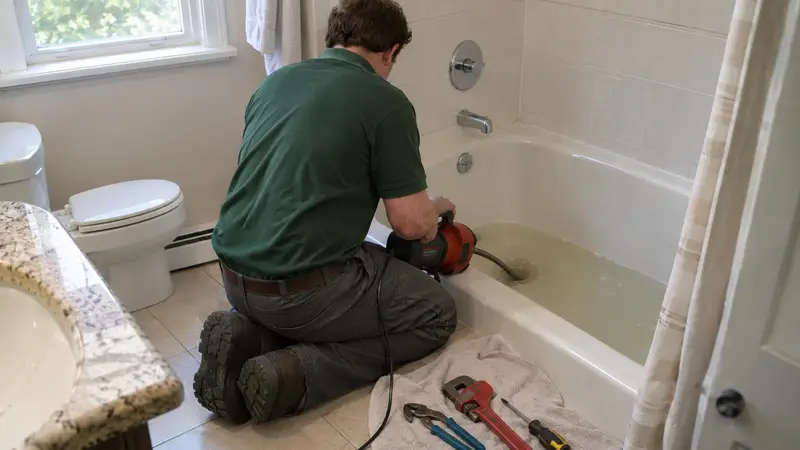
Old drains from the early to mid 1900s have seams that open as the ground moves. Pine and oak roots squeeze in and snag paper and grease. You hear gurgles and watch tubs drain slowly.
The fix: We cut the roots out, send a sewer camera down the line to find the break and repair or replace that length.
Supply lines hang in vented crawl spaces and sit in cold garages. A hard freeze splits them, and the flood starts at the thaw. You find a wet floor, a dead tap or dripping from below.
The fix: We repair the split, wrap or reroute pipe that is exposed and point out the main shutoff before the next cold night.
Wet and dry swings in the clay crack stiff pipe and pull joints apart. You see soggy lawn patches, damp crawl space soil and drains that slow down.
The fix: We trace the leak, dig to the weak spot and replace the failed length with new pipe set on firm ground.
Where trouble shows in Durham houses
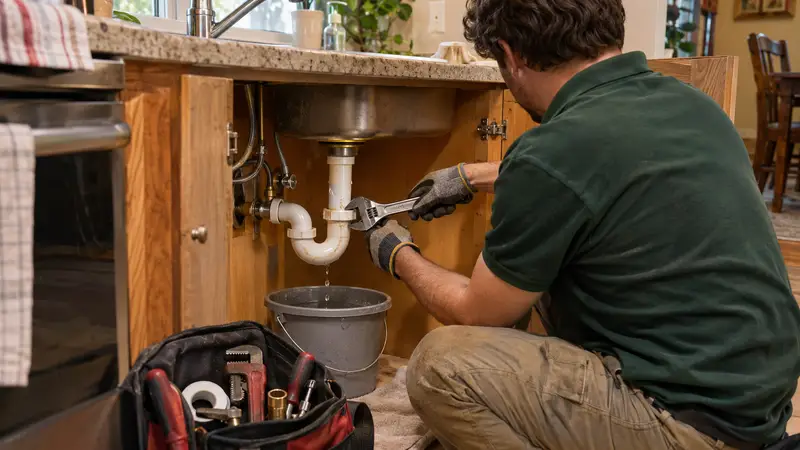
Check under the floor first. A damp joist, a drip off a fitting or a stretch of pipe that has gone cold points to a split or a rusted joint. Kitchen drains in bungalows clog often since the old pipe is rough and narrow.
Indoors, orange water after the house sits, a tap that sputters or a toilet that burps tells you more. In Durham, we follow it to the source and replace the failing run. When a hard freeze hits Durham, the first split pipe is usually in a garage, crawl space or exterior wall, and the first minutes after a pipe bursts decide how much water gets in.
Ice storms, sticky summers and spring rain
Winter is usually mild, but a sharp freeze or an ice storm still comes. Crawl spaces, garages and outside walls give first. Calls bunch up the next morning and again when ice melts.
Spring rain soaks the clay and loads old sewers. Summer heat then bakes tanks in attics and garages. Roots are most active in warm months, so a slow drain in July often points to them. Mature trees in Durham send roots into clay and cast iron lines, so a main sewer line clog tends to return.
Mill streets, brick cottages and big trees
Around the old mill and warehouse districts, workers once filled streets with small frame and brick houses, and many still have their first drains. Walls often hold several generations of pipe, so a fix means joining new to old, and we plan for it.
Houses built after the 1990s have copper or PEX and plastic drains that handle the clay better. Still, tall oaks and pines reach for any weak joint. A drain that clogs again after cleaning almost always has roots in it. Homes in nearby Chapel Hill and Morrisville deal with much the same moisture. The wider Raleigh-Durham Area area has the same mix of weather and housing.
Neighborhoods we cover in Durham
Trinity Park
Early 1900s houses keep old cast iron drains and galvanized lines under tall street trees.
- 27701
Woodcroft
Planned community from the 1970s and 1980s, with aging water heaters and drain lines that roots now reach.
- 27713
Plumbing services Durham homes call about
Emergency Plumber
Burst pipes, major leaks, sewage backups and no water, with an answer around the clock.
Emergency Plumber ›Leak Detection and Repair
Slab leaks, wall leaks and pipe leaks found and fixed before they ruin floors and drywall.
Leak Detection and Repair ›Drain Cleaning
Clogged sinks, tubs, toilets and main sewer lines cleared, including roots and sewer camera checks.
Drain Cleaning ›Common problems we get calls about
Sewage backing up
Wastewater at a floor drain or tub points to a main line clog.
Burst or leaking pipes
Water on the floor or a wet ceiling. Shutting off the main valve limits damage until we arrive.
Frozen or split pipes
Pipes in exterior walls, garages and crawl spaces freeze first, and the leak starts at the thaw.
Rusty water and weak pressure from old pipe
Brown water after a repair, or pressure that dropped at every tap, points to aging galvanized lines.
No hot water
A leaking tank, a pilot that will not stay lit or a failed element.
Roots in the sewer line
Gurgling, slow drains in several fixtures and repeat main line clogs often mean roots in the lateral.
Get help in three simple steps
- Call and describe the problem
Tell us what is leaking, backing up or not working, and whether water is still running.
- We answer your call
Tell us your address and we confirm that we serve it. We set a time to come to the house.
- Repair and cleanup
We find the cause and fix it. We test the line or fixture before we leave.
Areas we serve in Durham
Durham is part of our Raleigh-Durham Area service area. We serve homes in:
- 27701
- 27703
- 27704
- 27705
- 27707
- 27708
- 27709
- 27712
- 27713
Plumbing questions in Durham
Why do my drains keep clogging?
Grease, hair, wipes and tree roots are the common causes. If several drains back up at once, the clog is usually in the main sewer line.
How do I shut off the water in an emergency?
Turn the main shutoff valve clockwise until it stops. It is usually near the meter, in a garage or utility closet, or where the main line enters the house.
What counts as a plumbing emergency?
A burst pipe, water that will not shut off, sewage backing up, no water at all or a gas smell from a water heater. Shut off the main water valve for leaks and call us right away.
Who is a plumber near me in Durham?
We are. We serve Durham homes. Call (844) 626-0032 and describe the problem.
Plumber in Durham, NC: Call Now
Tell us what is leaking, backing up or not working. We take it from there.
Call Now (844) 626-0032