Plumber Annapolis, MD
Plumbing repair for Annapolis homes: burst pipes, old galvanized and cast iron lines and sewer lines with roots. Call Now and we get started.
Call Now (844) 626-0032Say what is leaking, backing up or not working.Is your address covered?
Enter a ZIP code or city to see if we serve your area.
Plumbing problems in Annapolis
Annapolis sits on tidewater land where creeks, coves and the Chesapeake Bay push the water table close to the surface. Brick row houses near the harbor date to the colonial era and the 1800s, and the neighborhoods around them grew through the 1900s with bungalows, Cape Cods and brick ranches. Old pipes, low ground and big shade trees add up to a steady list of plumbing trouble.
A basement floor drain that gurgles after a thunderstorm, a rusty galvanized line that finally splits or a water heater that gives out in January is what most callers describe. In Annapolis, we trace the leak, clear the sewer line and replace the failed pipe or tank, so call us when water is where it should not be.
Why plumbing fails in Annapolis homes
Updated November 2026
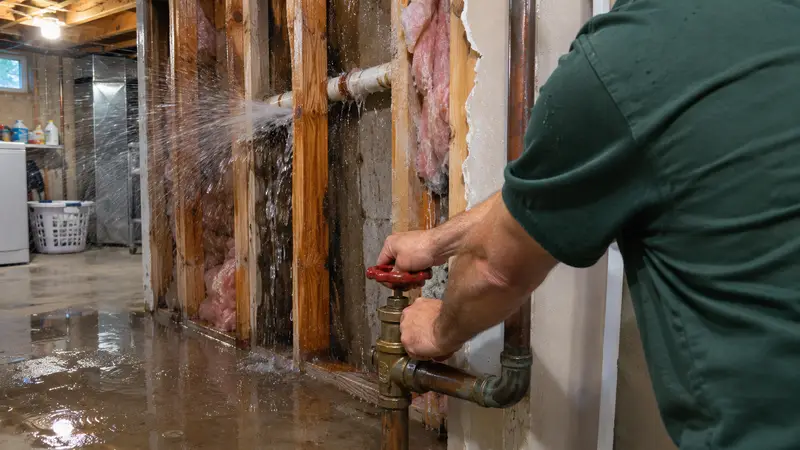
- Why do basements and crawl spaces flood in Annapolis?Much of the town is low and close to the water, so the ground stays wet after a storm. Sump pumps work hard, and a pump that fails lets water reach the floor drain and the water heater. Older homes often have no pump at all.
- Why do old pipes fail in historic Annapolis homes?Houses from before the 1950s often still have galvanized steel supply lines that rust shut from the inside. Cast iron and clay drains crack with age. The first signs are low pressure, brown water or a slow drain that keeps returning.
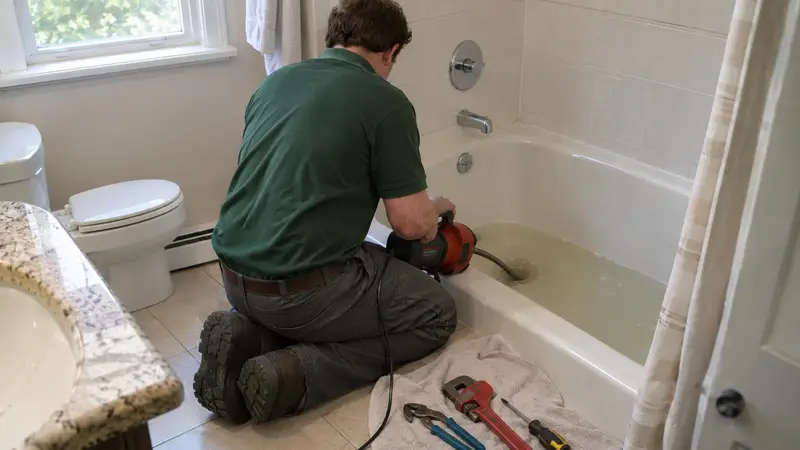
- Why do sewer lines back up in Annapolis?Tree roots from old oaks and maples work into joints in clay and cast iron laterals. Heavy summer rain then pushes wastewater back toward the lowest drain, which is often in a basement or a lower level.
- Why do pipes freeze in Annapolis?Winters run milder than inland Maryland, but hard freezes still come. Pipes in crawl spaces, unheated garages and outside walls of waterfront homes catch the wind off the water and split.
- Why do water heaters fail early near the Bay?Damp basements and humid summers rust tank bottoms and fittings. A heater sitting in a wet corner rots from the outside as well as the inside, and it often fails without warning.
How the weather reaches Annapolis plumbing
Near the harbor and the creeks, the soil holds water long after a storm. It seeps through the foundation, swamps the sump pit and leaves standing water around the water heater and furnace.
The fix: The sump pump and its discharge line are checked or replaced, floor drains are cleared, and a backflow valve is set where the sewer pushes back.
Galvanized supply lines clog with rust and cast iron drains crack. Owners see weak pressure, stained fixtures, damp plaster or a wet spot under the kitchen.
The fix: Failed runs are replaced with modern pipe, and drains are repaired section by section after a sewer camera check.
Mature trees in older yards send roots into every joint. Slow tubs, gurgling toilets and repeated clogs follow, then a full backup in heavy rain.
The fix: The line is cleared, a camera shows the break, and the damaged length is repaired or relined.
Where leaks and backups show up in Annapolis homes
Older brick houses near the harbor hide pipes inside plaster walls and under wood floors. A stain on a ceiling or a damp baseboard is often a leak that has run for weeks. Basement floor drains and utility sinks are the first place a sewer backup appears.
Newer subdivisions farther out are built on slabs or with short crawl spaces. Pipes there run through the attic or under the concrete. A warm spot on the floor or a bill that jumps with no change in habits points to a leak we can trace and repair. When a hard freeze hits Annapolis, the first split pipe is usually in a garage, crawl space or exterior wall, and the first minutes after a pipe bursts decide how much water gets in.
Thunderstorms, nor'easters and winter cold snaps
Summer storms drop water fast, and a town built on low ground feels it right away. Sewers fill, sump pumps run nonstop and basements flood. Calls for backed-up drains rise after every strong storm and after tropical systems that move up the coast.
Cold snaps are shorter but hard on exposed pipes. Wind off the water chills outside walls and garage lines. The split often shows only when the pipe thaws and water pours out. Mature trees in Annapolis send roots into clay and cast iron lines, so a main sewer line clog tends to return.
Old oaks, sandy soil and salty air
Annapolis has some of the oldest housing in the country, and many streets are lined with large oaks and maples. Their roots find the small gaps in aging clay sewer pipe. A line that has been fine for decades can fail in one wet season.
Sandy soil near the water drains quickly, but it also shifts under pipes after storms and tides. Salt in the air speeds rust on outdoor spigots, hangers and fittings. Our work here often starts with a sewer camera check so the real break is clear before any digging. Homes in nearby Arnold and Severna Park deal with much the same moisture. The wider Anne Arundel County area has the same mix of weather and housing.
Neighborhoods we cover in Annapolis
Eastport
Waterfront homes and narrow older houses on low ground, where damp crawl spaces and aging drains are common.
- 21403
Bay Ridge
Shoreline cottages and mid-century homes on sandy ground, with crawl spaces that stay damp in humid summers.
- 21403
Murray Hill
Early and mid-1900s houses near the historic center, with original galvanized lines and old sewer laterals.
- 21401
Plumbing services Annapolis homes call about
Emergency Plumber
Burst pipes, major leaks, sewage backups and no water, with an answer around the clock.
Emergency Plumber ›Drain Cleaning
Clogged sinks, tubs, toilets and main sewer lines cleared, including roots and sewer camera checks.
Drain Cleaning ›Leak Detection and Repair
Slab leaks, wall leaks and pipe leaks found and fixed before they ruin floors and drywall.
Leak Detection and Repair ›Common problems we get calls about
Frozen or split pipes
Pipes in exterior walls, garages and crawl spaces freeze first, and the leak starts at the thaw.
Basement floor drain backups
Heavy rain or a clogged main sends water up through the lowest drain in the house.
Clogged or slow drains
A sink, tub or toilet that drains slowly, gurgles or backs up.
Rusty water and weak pressure from old pipe
Brown water after a repair, or pressure that dropped at every tap, points to aging galvanized lines.
Roots in the sewer line
Gurgling, slow drains in several fixtures and repeat main line clogs often mean roots in the lateral.
Low water pressure
A failing regulator, a hidden leak or clogged aerators cut flow.
Get help in three simple steps
- Call and describe the problem
Tell us what is leaking, backing up or not working, and whether water is still running.
- We answer your call
Tell us your address and we confirm that we serve it. We set a time to come to the house.
- Repair and cleanup
We find the cause and fix it. We test the line or fixture before we leave.
Areas we serve in Annapolis
Annapolis is part of our Anne Arundel County service area. We serve homes in:
- 21401
- 21402
- 21403
- 21405
- 21409
Plumbing questions in Annapolis
How can I find a hidden leak?
Turn every tap off and watch the water meter. If it still moves, water is escaping somewhere. Warm spots on a slab floor or damp drywall point to where.
How do I shut off the water in an emergency?
Turn the main shutoff valve clockwise until it stops. It is usually where the water line enters the house, near the meter, in a basement or in a utility closet.
Why is my water heater leaking?
A leak from the tank means the tank failed and needs replacement. A leak at a pipe connection or the relief valve can often be repaired.
Who is a plumber near me in Annapolis?
We are. We serve Annapolis homes. Call (844) 626-0032 and describe the problem.
Plumber in Annapolis, MD: Call Now
Tell us what is leaking, backing up or not working. We take it from there.
Call Now (844) 626-0032